


Posted by Faroo Pets Grooming
on July 23, 2026

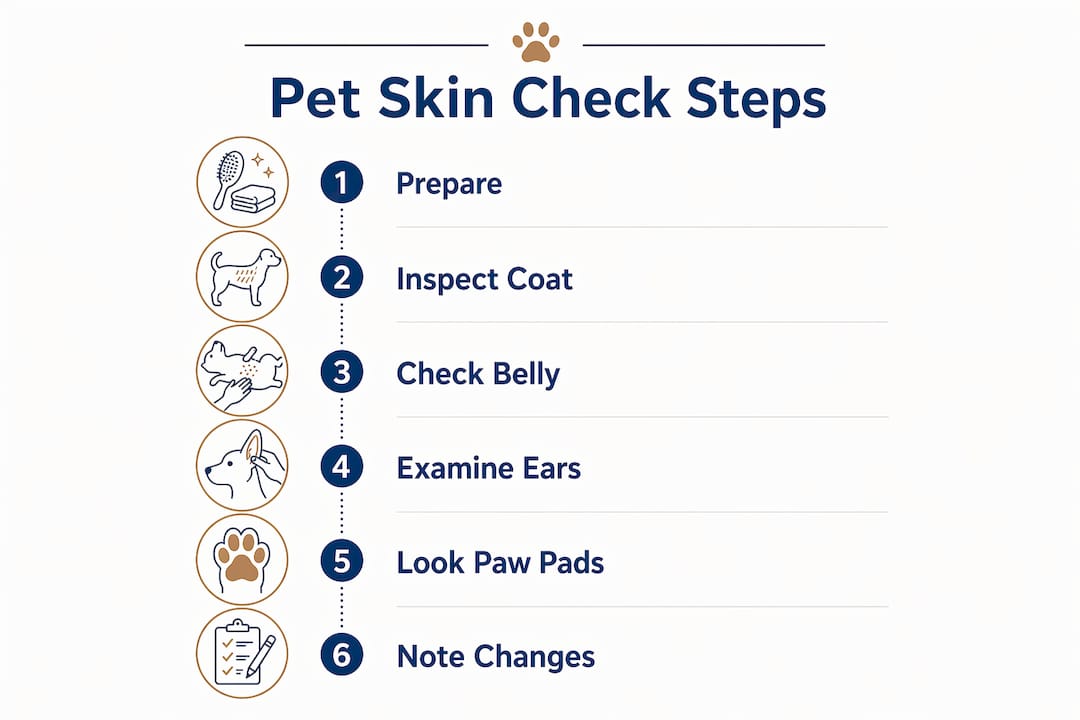
A consistent, two-minute weekly skin check is your single best defense against pet skin problems. Run both hands slowly over your dog’s or cat’s entire body, then part the fur in four to five spots: the belly, armpits, ears, and tail base. You’re looking for redness, bumps, hair loss, unusual odors, or tiny dark specks at the skin’s surface. Catching something early, before it spreads or becomes painful, makes treatment faster and far less stressful for everyone.
Here’s how to do it well:
- Run your hands over the whole body from neck to tail, feeling for lumps, tender spots, or texture changes beneath the coat.
- Part the fur in key areas: belly, armpits, ears, and tail base. These spots trap moisture, parasites, and debris more than anywhere else.
- Check the ears by smelling them gently. An off odor is often the earliest sign of infection, before any visible change appears.
- Look for flea dirt at the base of the tail: tiny dark specks that look like ground pepper. If you’re unsure whether it’s flea dirt or plain debris, place it on a damp white paper towel. Flea dirt turns reddish-brown when wet because it’s digested blood. Dandruff stays white.
- Watch your pet’s reactions. Flinching, pulling away, or sudden licking when you touch a spot tells you something worth noting.
- Document what you find. A quick photo or a few notes on your phone give your vet a clear picture if symptoms change or persist.
Pro Tip: Treat the skin check like a massage, not a medical exam. Slow, gentle strokes keep your pet relaxed and cooperative, and a calm pet lets you inspect sensitive areas far more thoroughly than a tense one ever would.
What do common skin problems in dogs and cats look like?
Knowing what you’re looking at makes all the difference. Many pet owners feel confident they can spot a skin problem, but identifying conditions like flea bite allergy, mites, or ringworm from appearance alone is genuinely difficult. Several very different conditions produce nearly identical symptoms.
Symptoms to watch for
The most frequent signs of a skin problem include:
- Persistent scratching, licking, or chewing, especially at the paws, belly, or ears
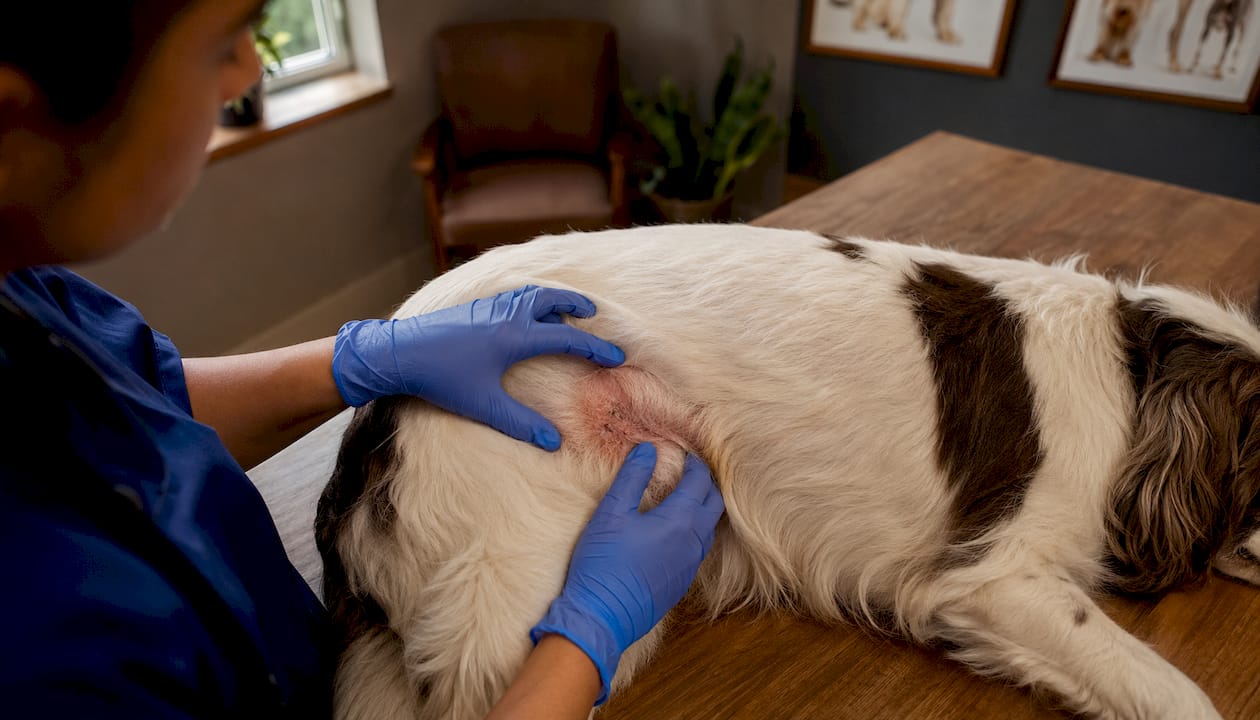
- Redness, rashes, or irritated patches
- Hair loss, thinning coat, or bald spots
- Scabs, sores, or crusty areas
- Flaky or greasy skin
- A musty, sweet, or unpleasant odor from the skin or ears
- Visible dark debris or moving specks in the coat
Common conditions and their visual cues
Allergic dermatitis shows up as chronic itching, particularly around the paws and belly, recurring ear infections, and skin that worsens seasonally or after certain foods. The skin may look red and inflamed without any obvious wound.

Yeast infections have a distinct sweet, musty smell, often described as a corn chip odor, especially from the paws, ears, or skin folds. You may also notice brown waxy buildup in the ears and a greasy coat. This is one condition where your nose catches it before your eyes do.
Hot spots appear as sudden patches of raw, red, moist skin, typically on the cheek, neck, or hip. They can grow from coin-sized to palm-sized within 24 hours, which is why they need prompt attention.
Mange and mites cause intense itching and hair loss, but mites are microscopic and cannot be seen without magnification. A vet must confirm their presence through skin testing.
Bacterial infections (pyoderma) produce red bumps, small white-headed pustules, crusty patches, and circular areas of hair loss. They tend to appear where moisture gets trapped, such as skin folds or under the collar.
Ringworm is a fungal infection, not a parasite, and it causes localized hair loss with scaly, sometimes circular patches. It’s also zoonotic, meaning it can spread to people.
Healthy skin should feel soft and look clear, with no bumps, scales, or discoloration. When you’re examining your pet’s skin, a dull coat, patchy fur, or any change in texture is worth noting, even if it seems minor.
What causes skin issues in pets, and which pets are most at risk?
Skin problems in pets almost always trace back to one of three root causes: allergies, parasites, or infections. Understanding which one is at play matters because the treatments differ completely.
Allergies are among the most common underlying causes of skin disease in dogs. Pets can react to environmental triggers like pollen, dust mites, and mold, or to food ingredients such as chicken or beef. The immune system releases histamine in response, triggering intense itchiness. Cats tend to show allergic reactions through overgrooming, often leaving thin fur or small scabs on the belly and legs.
Flea allergy dermatitis deserves special mention because it causes severe itching, hair loss, and red irritated skin even when no fleas are visible. A single flea bite can trigger a reaction in a sensitized pet, so the absence of visible fleas does not rule this out.
Parasites beyond fleas include ticks, lice, and mites. Ticks attach and stay in one place, while fleas move quickly and jump. Both are found most easily with a fine-toothed comb through the coat. Mites, as noted, require a vet’s skin scraping to confirm.
Infections often develop as secondary conditions. When a pet scratches or licks excessively due to allergies, the skin barrier breaks down, allowing bacteria or yeast to overgrow. Mats in the coat trap moisture and create the same environment. Over-grooming in cats is a particularly common path to secondary skin infections.
Breed and coat type also play a role. Flat-faced breeds like Bulldogs and Persians are prone to skin fold infections. Double-coated breeds like Huskies and Golden Retrievers can develop hot spots under dense fur. Long-haired cats are more susceptible to matting-related issues. Skin diseases often reflect underlying systemic conditions like hypothyroidism or hormonal imbalances, which is why a vet’s full medical history review matters alongside any physical exam.
How do vets diagnose and treat pet skin conditions?
When home observation isn’t enough to identify what’s going on, veterinary diagnostics give you real answers. Several conditions look identical to the untrained eye, and many skin diseases require a detailed history, physical examination, and appropriate diagnostic tests to distinguish properly.
Diagnostic procedures your vet may use
- Skin scrapings: A small spatula collects material from the skin’s surface or hair follicles to check for mites. Deep scrapings go far enough to cause minor capillary bleeding, confirming the sample reached the follicle.
- Cytology: Impression smears from the skin surface identify bacterial, fungal, or potentially cancerous cells. At least four to six smears are typically prepared, with some saved for a reference laboratory.
- Fungal culture: Dermatophyte infections like ringworm are best confirmed on dermatophyte test medium or Sabouraud agar. This takes time but gives a definitive result.
- Bacterial culture: Intact pustules are ruptured with a sterile needle and swabbed. Lesions should not be cleaned before sampling, because surface material is critical for accurate results.
- Skin biopsy: Indicated when signs are severe, unusual, or unresponsive to treatment. A 6–8mm punch biopsy is standard. Again, the lesion should not be cleaned beforehand.
One practical note: do not clean or remove suspicious skin masses before your vet visit. Undisturbed tissue is necessary for several diagnostic tests, and cleaning a lesion can make an accurate diagnosis harder to reach.
Treatment approaches
Treatment depends entirely on the diagnosis. Common options include:
- Medicated shampoos for bacterial or yeast infections, used on a schedule your vet recommends
- Topical or oral antifungals for ringworm and yeast overgrowth
- Antibiotics for bacterial pyoderma, often combined with topical sprays
- Allergy medications including antihistamines, corticosteroids, or newer targeted options like Apoquel or Cytopoint for dogs
- Parasite prevention products such as NexGard, Bravecto, or Revolution to address and prevent flea, tick, and mite infestations
- Omega-3 fatty acid supplements to support dry, flaky skin and coat health
For home care between vet visits, keep the affected area clean and dry, prevent your pet from licking or scratching with an e-collar if needed, and use only products your vet has approved. Virtual veterinary consultations are a practical option for early guidance, letting you share photos or video to determine whether an in-person visit is needed right away.
How to maintain healthy pet skin and prevent problems
Prevention starts with consistency. A routine grooming assessment does double duty: it keeps your pet’s coat in good shape and gives you a regular window into their skin health. Here’s a practical routine to build into your week:
- Choose a calm moment. After a walk or a meal works well. Your pet is relaxed, and so are you.
- Start at the head. Check around the eyes for discharge, inside the ears for odor or dark debris, and along the muzzle for any bumps or sores.
- Work down the neck and shoulders. Part the fur and look directly at the skin. You’re checking for redness, flakes, or any raised spots.
- Cover the torso and belly. The belly is where many primary lesions and parasites appear first, so don’t skip it.
- Check the armpits, groin, and tail base. These warm, moist areas are prime spots for yeast, bacteria, and flea activity.
- Finish with the paws. Look between the toes for redness, swelling, or dark debris under the nail beds, which can indicate a yeast infection.
- Note anything unusual. A photo and a brief note about when you first noticed it will help your vet enormously if you need to follow up.
Regular brushing removes loose fur and distributes natural skin oils, which keeps the coat healthy and gives you another chance to spot early changes. For pets prone to matting, brush before bathing to prevent mats from tightening when wet. Mats trap moisture and bacteria, and they can hide skin problems for weeks.
Parasite prevention is non-negotiable. Year-round flea and tick control, recommended by the American Veterinary Medical Association’s preventive healthcare guidelines, protects your pet from the most common triggers of skin disease. Nutrition matters too: a diet with adequate omega-3 fatty acids supports the skin barrier from the inside out.
Pro Tip: Make the weekly skin check a bonding ritual rather than a chore. Pair it with a treat, keep your voice calm and cheerful, and your pet will start to look forward to it. A pet that cooperates fully gives you a far more accurate picture of what’s going on with their skin.
Using safe cleaning products around your pet also reduces the risk of contact irritation, which can mimic or worsen existing skin conditions.
When should you take your pet to the vet for a skin problem?
Some skin issues can wait a day or two while you monitor. Others need same-day care. Knowing the difference protects your pet from unnecessary suffering and prevents small problems from becoming serious ones.
Go to the vet the same day if your pet shows:
- Bleeding or pus from any skin spot
- A hot spot that is visibly growing within hours
- Severe itching that prevents sleeping or eating
- Sudden patchy hair loss
- A strong odor combined with visible skin changes
- Facial swelling, hives, or labored breathing
- Sudden severe lethargy or signs of significant pain
- Open wounds or rapidly spreading lesions
Systemic signs like facial swelling and labored breathing can indicate a severe allergic reaction and require immediate emergency care, not a scheduled appointment.
Monitor for a few days if:
- The itching is mild and your pet is otherwise eating, sleeping, and behaving normally
- You see minor flakiness or a small red patch with no other symptoms
- The issue appeared after a new product or food and you’ve already removed the trigger
Even in mild cases, if symptoms don’t improve within two to three days or if you’re simply unsure, reach out to your vet. Early veterinary guidance prevents small skin issues from becoming larger, harder-to-treat problems. A virtual consultation is a low-barrier first step if an in-person visit isn’t immediately possible. Your observations, especially photos and notes about when symptoms started, are genuinely valuable to the diagnostic process even when they aren’t definitive on their own.
Let Faroopets help keep your pet’s skin healthy

We know how much you care about your pet’s comfort and health. At Faroopets, our certified groomers are trained to spot early signs of skin issues during every session, from unusual odors and coat texture changes to hidden mats and irritated patches. Every visit is a wellness check as much as a grooming appointment.
Whether your dog needs a thorough coat and skin assessment or your cat is due for a professional once-over, we’re here to help. Explore our dog grooming services or our cat grooming packages and book a session that gives your pet’s skin the attention it deserves.
Key Takeaways
A weekly two-minute hands-on skin check, covering the belly, armpits, ears, and tail base, is the most effective way to catch pet skin problems before they spread.
| Point | Details |
|---|---|
| Weekly skin check routine | Run hands over the full body and part fur in key spots: belly, armpits, ears, and tail base. |
| Flea dirt test | Place dark specks on a damp white paper towel; flea dirt turns reddish-brown, dandruff stays white. |
| Hot spots move fast | A hot spot can grow from coin-sized to palm-sized within 24 hours, requiring prompt vet care. |
| Don’t clean lesions before the vet | Undisturbed tissue is necessary for skin scrapings, cytology, and biopsy to give accurate results. |
| Same-day vet signs | Bleeding, pus, fast-growing hot spots, severe itching, sudden hair loss, or facial swelling need immediate care. |
