


Posted by Faroo Pets Grooming
on July 11, 2026

TL;DR:
- Proper pet care accessories meet essential needs for feeding, hygiene, safety, enrichment, and containment. Choosing high-quality materials and proper fit ensures safety, durability, and health for pets. Using enrichment tools and travel gear reduces stress and prevents behavioral problems during daily life and travel.
Pet care accessories are physical tools designed to meet a pet’s core needs for feeding, hygiene, safety, containment, and mental stimulation in a domestic environment. Every responsible pet owner relies on them, yet most people underestimate how much the right gear shapes a pet’s daily health and happiness. The industry now organizes these products into five clear welfare categories, each backed by current veterinary standards. Whether you have a dog, cat, or bird, understanding what are pet care accessories and how to choose them well is the first step toward giving your pet a genuinely good life.
What are the essential categories of pet care accessories?
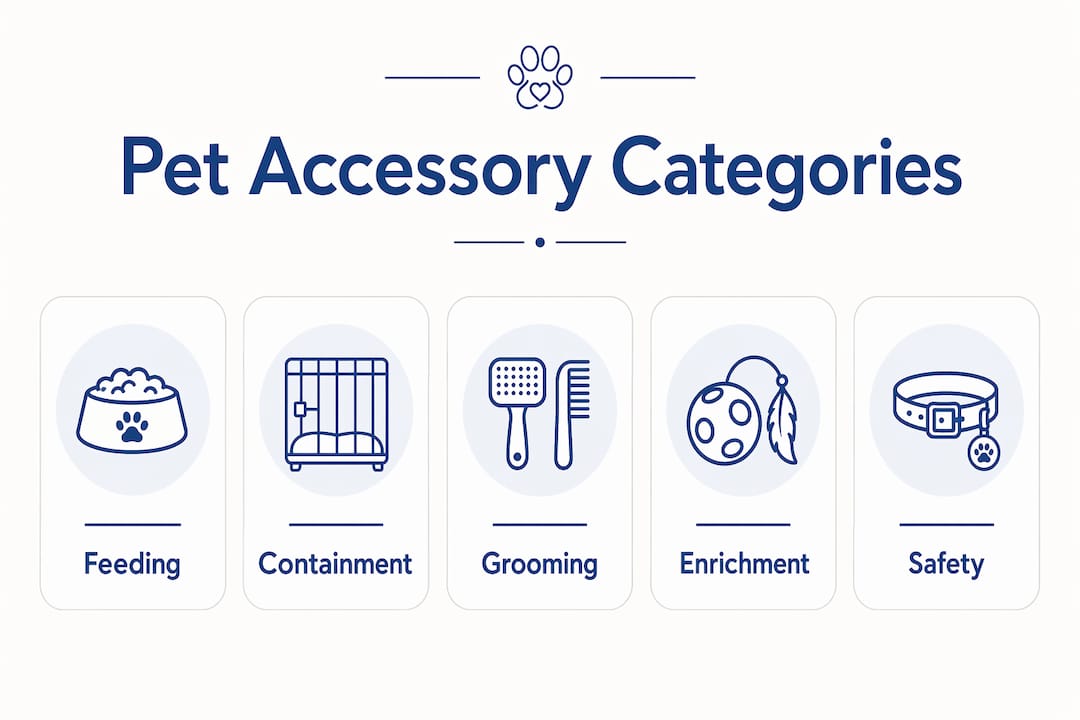
Essential pet care accessories fall into five functional groups: feeding and hydration, containment and transport, hygiene and grooming, enrichment and play, and safety. Each category addresses a distinct welfare need. Skipping any one of them creates gaps that affect your pet’s physical or emotional health.
Feeding and hydration tools
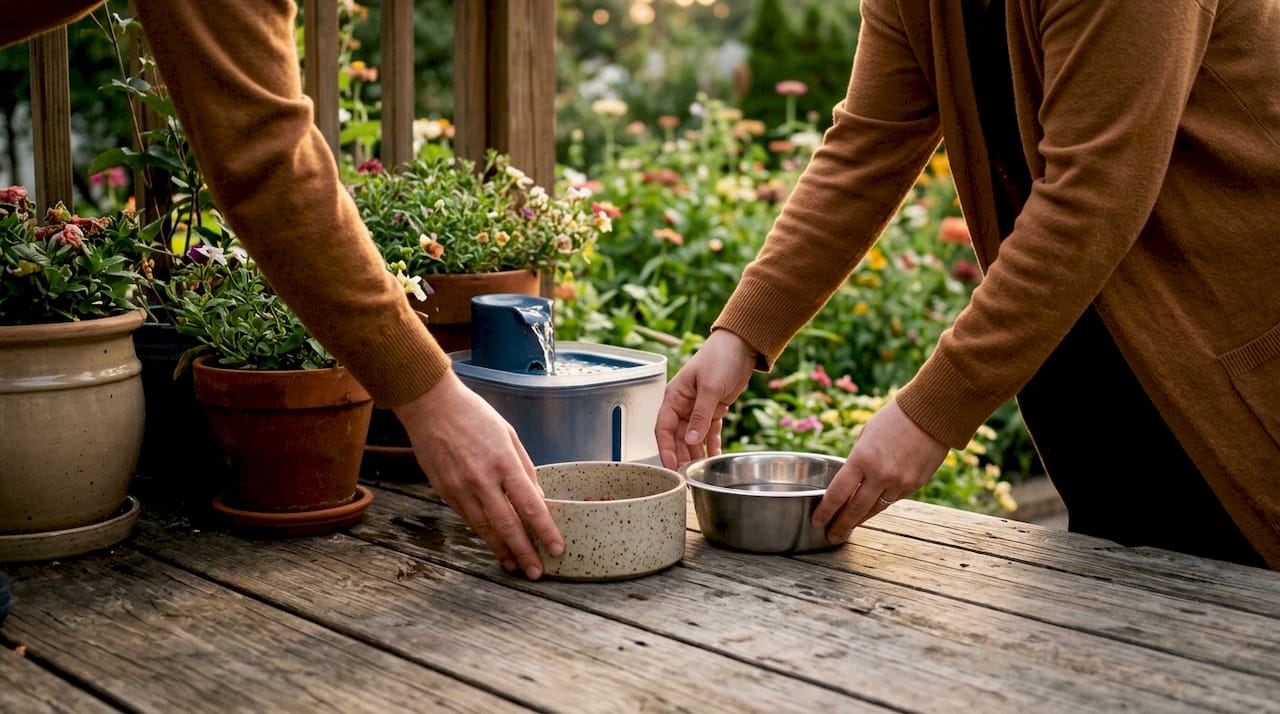
Stainless steel and ceramic bowls are the standard for food and water. They resist bacterial buildup far better than porous plastic alternatives, which develop microscopic scratches that harbor germs over time. Automatic dispensers and water fountains add convenience for busy owners and encourage pets to drink more consistently throughout the day.
Containment and transport
Crates, carriers, and harnesses keep pets safe at home and on the move. A well-sized crate gives dogs a secure den space, which reduces anxiety. Carriers for cats and small animals should allow the pet to stand, turn, and lie down comfortably without excess room that causes sliding during transport.
Hygiene and grooming tools
Brushes, nail clippers, ear cleaners, and grooming wipes form the core of any hygiene kit. Regular grooming does more than keep a coat clean. It allows owners to spot skin irritations, lumps, parasites, or early signs of infection before they become serious problems. Think of grooming accessories as your first line of preventive health care.
Enrichment and play
Puzzle feeders, prey-mimicking toys, and interactive play items belong in every pet’s accessory collection. The ASPCA identifies lack of enrichment as a top cause of destructive behavior in confined pets. That fact alone makes enrichment tools a welfare necessity, not a luxury.
Safety items
Collars, leashes, ID tags, and basic first aid kits round out the must-have pet accessories list. An ID tag is the simplest and most effective recovery tool if a pet escapes. A compact first aid kit with gauze, antiseptic wipes, and a digital thermometer prepares you for minor injuries before a vet visit is possible.
Pro Tip: Buy a collar and an ID tag on the same day you bring a new pet home. Do not wait until the pet “settles in.” Escape attempts happen most often in the first 48 hours.
| Category | Core items | Primary benefit |
|---|---|---|
| Feeding and hydration | Stainless steel bowls, water fountains | Reduces bacterial risk, encourages hydration |
| Containment and transport | Crates, carriers, harnesses | Provides security and safe movement |
| Hygiene and grooming | Brushes, nail clippers, ear cleaners | Enables early health detection |
| Enrichment and play | Puzzle feeders, interactive toys | Prevents boredom and destructive behavior |
| Safety | Leashes, ID tags, first aid kits | Prevents loss and manages minor injuries |
How do material quality and fit affect pet accessory safety?
Material choice directly determines how safe and durable an accessory will be over time. Experts warn that owners often prioritize aesthetics over function, and that trade-off costs them more in replacements and vet bills than they save upfront. Quality and proper fit are the two factors that separate a useful accessory from a harmful one.
Poor materials create real risks. Low-quality collar hardware can fail under sudden stress, releasing a dog into traffic. Porous plastic bowls develop surface scratches that trap bacteria, leading to chin acne in cats and recurring digestive upset in dogs. Choosing stainless steel, food-grade silicone, or high-density nylon eliminates most of these risks at the source.
Fit matters just as much as material. A harness that is too loose allows a pet to slip out. One that is too tight restricts breathing, which is especially dangerous for brachycephalic breeds like French Bulldogs and Persian cats. For these breeds, a well-fitted harness is not optional. It is a respiratory health tool.
Life stage also shapes accessory needs. Senior dogs benefit from orthopedic memory foam beds that reduce joint pressure. Young, high-energy dogs need thick rubber chew toys that withstand aggressive play without breaking into swallowable pieces. Reptile owners need to upgrade enclosure size as their animals grow, since undersized habitats cause chronic stress and stunted development.
- Choose stainless steel or ceramic for all food and water contact surfaces.
- Check harness fit using the two-finger rule: two fingers should slide under the strap with light resistance.
- Replace any accessory showing cracks, fraying, or broken hardware immediately.
- Match toy durability to your pet’s chew strength. Soft plush toys are not safe for aggressive chewers.
Pro Tip: Inspect every accessory monthly. Set a calendar reminder. A frayed leash or a cracked bowl looks minor but can cause a serious incident before you notice the damage.
Which pet care accessories support mental health and enrichment?
Enrichment accessories are tools that engage a pet’s natural instincts for hunting, foraging, and problem-solving. They are not optional add-ons. Enrichment toys alleviate anxiety and obesity-related issues by stimulating mental activity that a domestic environment does not naturally provide. A bored pet is not a calm pet. It is a pet that redirects energy into chewing furniture, excessive barking, or compulsive grooming.
The most effective enrichment accessories work by mimicking natural behaviors:
- Puzzle feeders slow down eating and require problem-solving to access food. They turn a 30-second meal into a 10-minute mental workout.
- Prey-mimicking toys like feather wands for cats and squeaky plush animals for dogs satisfy hunting instincts without requiring outdoor access.
- Snuffle mats hide kibble in fabric folds, engaging a dog’s powerful sense of smell and providing calm, focused activity.
- Lick mats with spreadable food like peanut butter or wet food reduce anxiety during stressful events such as thunderstorms or grooming sessions.
- Rotating toy selection prevents habituation. Pets lose interest in the same toy after repeated exposure. Cycling three to four toys in and out of rotation keeps novelty high without buying new items constantly.
Pro Tip: Freeze a lick mat with wet food or broth before a grooming session. It keeps your pet calm and focused for 15–20 minutes, making the experience easier for both of you.
Allocating even a small portion of your accessory budget to enrichment tools pays back in reduced destructive behavior and lower stress for the whole household. One quality puzzle feeder used daily delivers more behavioral benefit than a drawer full of untouched plush toys.
What are the best practices for travel and outdoor safety accessories?
Travel accessories for pets form their own category within the broader pet accessory selection process. The core principle is simple: what works at home does not automatically work in a moving vehicle or an unfamiliar environment. Crash-tested, seatbelt-compatible harnesses are the standard for car travel. A standard walking harness provides no meaningful protection in a sudden stop or collision.
Experienced pet travelers recommend building a dedicated pet go-bag with separate compartments for food, waste management, and first aid. Familiar scent items, such as a worn t-shirt or a favorite blanket, reduce stress significantly during transport and overnight stays away from home. Pets navigate unfamiliar spaces primarily through smell. A familiar scent anchors them and promotes calm behavior.
Weather-appropriate gear matters more in climates like Dubai, where heat is a genuine health risk. Cooling mats, breathable mesh carriers, and protective booties for hot pavement protect pets from heatstroke and paw burns. Reflective collars and leashes add visibility during early morning or evening walks.
A practical travel gear checklist for pet owners:
- Crash-tested harness or hard-sided carrier rated for your pet’s weight
- Collapsible silicone water bowl and a sealed water bottle
- Microfiber towel for quick drying after outdoor exposure
- Waste bags and a portable potty solution for longer trips
- Pet-specific first aid kit with gauze, antiseptic, and a digital thermometer
- Familiar scent item, such as a small blanket or worn clothing
- Cooling mat or ice pack sleeve for warm weather travel
- Copies of vaccination records in a waterproof sleeve
Thoughtful travel preparation and familiar items reduce stress and promote calm behavior during transport and stays away from home. That calm translates directly into a safer, more enjoyable experience for both pet and owner.
Key Takeaways
Pet care accessories are the practical infrastructure that supports every aspect of a pet’s physical health, emotional wellbeing, and safety, and selecting them by function, material quality, and proper fit delivers the greatest long-term value.
| Point | Details |
|---|---|
| Five core categories | Every pet needs feeding, containment, grooming, enrichment, and safety accessories to meet basic welfare needs. |
| Material quality is non-negotiable | Stainless steel bowls and crash-tested harnesses prevent bacterial risk and injury far better than low-cost alternatives. |
| Enrichment prevents behavior problems | Puzzle feeders and prey-mimicking toys reduce destructive behavior by satisfying natural instincts daily. |
| Travel gear requires its own checklist | Crash-tested restraints, portable water bowls, and familiar scent items are the foundation of safe pet travel. |
| Inspect accessories monthly | Frayed, cracked, or broken accessories create injury risks that are easy to miss without a regular check. |
What I’ve learned about choosing pet accessories well
Most pet owners I talk with make the same mistake: they buy too much too fast, then realize half of it sits unused. The accessories that genuinely improve a pet’s life are the ones that address a specific, real need. A puzzle feeder for a dog that destroys furniture out of boredom. A well-fitted harness for a cat that panics in carriers. A cooling mat for a pet living in Dubai’s summer heat.
Grooming accessories deserve special attention because most owners still treat them as cosmetic tools. They are not. Regular brushing and nail care catch health problems early, which means fewer emergency vet visits and lower costs over time. A good slicker brush used twice a week tells you more about your pet’s skin health than most owners realize.
The other thing I’d push back on is the idea that more accessories equal better care. Quality beats quantity every time. One stainless steel bowl that lasts five years beats three plastic ones replaced annually. One crash-tested harness beats a collection of decorative collars that offer no real safety. Prioritize function, then fit, then aesthetics. In that order, always.
The right grooming routine and a small, well-chosen set of accessories will serve your pet better than any overloaded accessory drawer. Start with the five core categories, get the materials right, and build from there.
— Growth
Faroopets makes quality pet care easier in Dubai
Pet owners in Dubai know that keeping a pet comfortable and healthy in this climate takes the right tools and the right support. Faroopets brings professional mobile grooming directly to your door for dogs, cats, and birds, using sanitized vans and certified groomers trained in breed-specific care.
Beyond grooming services, Faroopets offers a curated collection of sophisticated pet products designed for hygiene, comfort, and daily care. Whether you need dog grooming in Dubai or a full pampering session for your cat, Faroopets has a package that fits your pet’s needs. Booking takes minutes, and your pet gets the care they deserve without the stress of a clinic visit.
FAQ
What are pet care accessories?
Pet care accessories are tools and products that support a pet’s feeding, hygiene, safety, containment, and mental enrichment in a domestic setting. Core examples include food bowls, grooming brushes, leashes, carriers, and enrichment toys.
What are the must-have pet accessories for a new pet owner?
New pet owners need a food bowl, water bowl, collar with ID tag, leash or carrier, grooming brush, and at least one enrichment toy. These items cover the five core welfare categories every pet requires from day one.
How do I choose the right harness for my pet?
Choose a harness rated for your pet’s weight and check fit using the two-finger rule under each strap. For brachycephalic breeds like French Bulldogs or Persian cats, a harness is medically preferable to a collar because it avoids pressure on the airway.
What travel accessories do pets need for car trips?
Pets need a crash-tested harness or hard-sided carrier, a collapsible water bowl, waste bags, a microfiber towel, and a pet-specific first aid kit. Adding a familiar scent item like a small blanket reduces travel stress significantly.
Why are enrichment accessories important for pet health?
Enrichment accessories like puzzle feeders and interactive toys satisfy natural hunting and foraging instincts that domestic environments do not provide. Without them, pets redirect that energy into destructive behaviors such as chewing, excessive barking, or compulsive grooming.
