


Posted by Faroo Pets Grooming
on June 27, 2026

TL;DR:
- Consistent grooming, proper bathing, and balanced nutrition effectively reduce dog shedding at home. Seasonal adjustments and early vet intervention are essential for managing abnormal or excessive shedding.
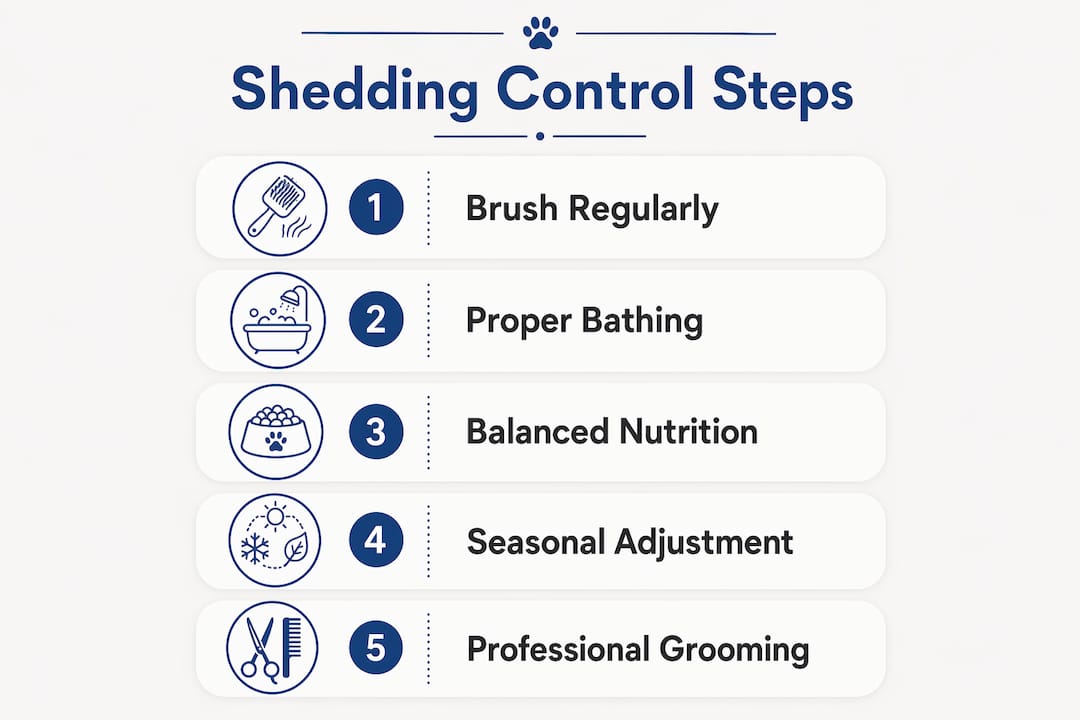
Step by step dog shedding control is a targeted grooming routine that combines regular brushing, proper bathing, balanced nutrition, and seasonal adjustments to reduce loose fur at home. The good news: consistent brushing alone can cut household fur by nearly 90%. That single fact changes how you should think about your grooming schedule. We put this guide together to give you a clear, vet-backed plan that works for real dogs and real homes, whether your pup sheds lightly or leaves fur on every surface in sight.
What brushing techniques and tools work best for dog shedding control?
Brushing is the single most effective tool for managing dog hair, and the right technique matters as much as the right brush. Work section by section, moving in the direction of hair growth. Apply gentle, even pressure. Never drag a brush against the grain on a sensitive dog.
Choosing the correct brush for your dog’s coat type makes a real difference:
- Slicker brush: Best for medium to long coats. Removes tangles and loose fur from the outer layer.
- Wire pin brush: Ideal for wavy or curly coats. Reaches deeper without pulling.
- Deshedding tool (such as a wide-toothed undercoat rake): Best for double-coated breeds like Huskies or Golden Retrievers. Pulls dead undercoat before it falls on your sofa.
- Rubber curry brush: Perfect for short-coated dogs. Massages the skin and lifts loose hair with minimal effort.
Matching your brush to your dog’s coat type is essential for effective deshedding without skin damage. Using the wrong tool can scratch skin or miss the undercoat entirely.
Experts recommend brushing 3 days per week for 5–10 minutes as a standard schedule. During peak shedding seasons, daily sessions keep loose fur from building up. Short, frequent sessions beat one long weekly marathon every time.
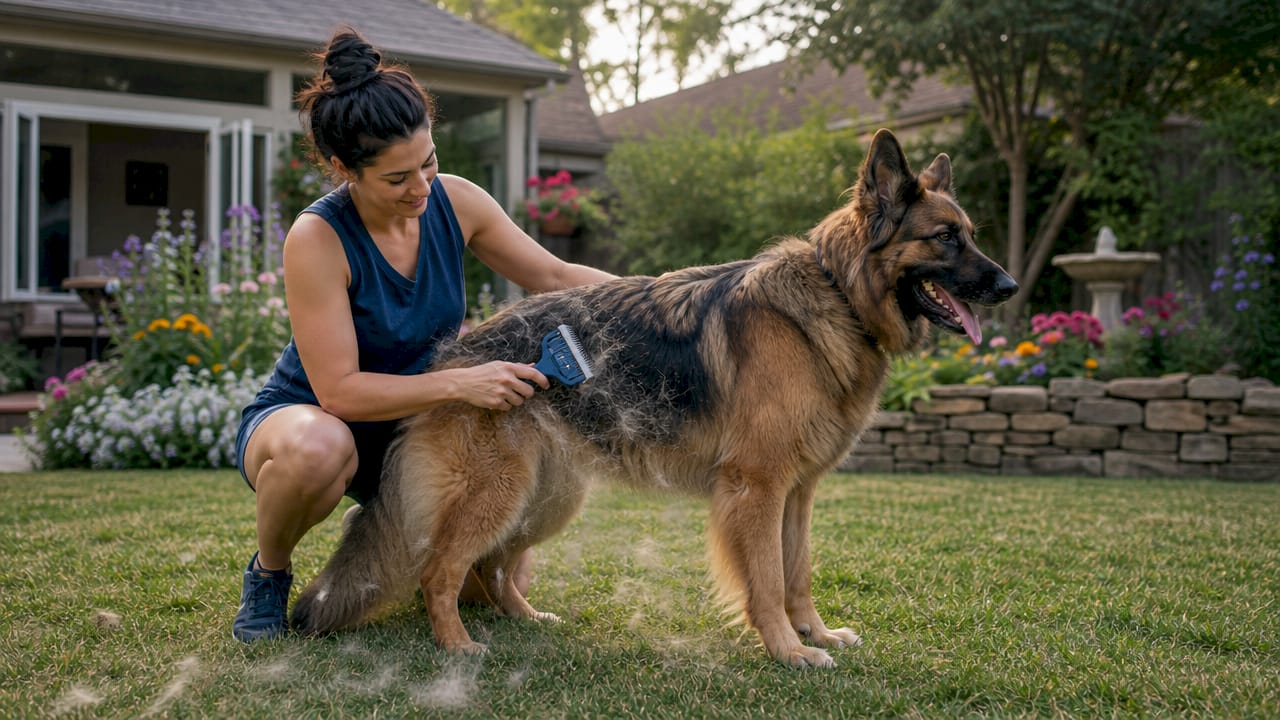
Pro Tip: Store your brushes in a basket near your dog’s favorite resting spot. Seeing the tools daily reminds you to brush, and your dog gets used to the routine faster.
For a deeper look at specific tool options, the Faroopets deshedding guide covers the full range of techniques and equipment worth knowing.
How to properly bathe your dog to support shedding control?
Bathing supports shedding control, but brushing is fundamentally more important long term. A bath loosens dead hair and refreshes the coat. Overbathing, though, strips natural oils and dries out the skin, which makes shedding worse. The right balance is bathing every 3–6 weeks, adjusted for your dog’s breed and coat density.
Follow this step-by-step bath routine for the best results:
- Brush before the bath. Remove loose fur and tangles first. Wet, tangled fur is much harder to work through.
- Wet the coat thoroughly. Use warm water and work from neck to tail.
- Apply a shed control shampoo. Shed control shampoos loosen dead hair while cleaning the coat. Massage gently to the skin.
- Rinse completely. Leftover shampoo residue irritates skin and causes flaking.
- Apply a moisturizing conditioner. Conditioners add moisture to reduce hair breakage and make brushing easier after the bath. Massage it in and let it sit for 2–3 minutes.
- Rinse again, thoroughly.
- Towel dry, then brush while the coat is still damp. Brushing during drying is the most productive moment for removing loose undercoat. The hair slides out more easily at this stage.
Using shampoo and conditioner together as a system produces better results than either product alone. Shed control products work best as a system, combining both steps with proper brushing for maximum effect.
Pro Tip: Look for shampoos labeled “deshedding” or “shed control” with natural ingredients like omega oils or aloe vera. Avoid products with sulfates or artificial fragrances, which can dry out sensitive skin.
What nutritional factors influence dog shedding?
Diet directly affects how much your dog sheds. A coat that lacks proper nutrition becomes brittle, dry, and prone to excessive hair loss. The most important nutritional factor is the balance of omega fatty acids in your dog’s food.
The ideal omega-6 to omega-3 ratio for skin and coat health is approximately 5:1. Most commercial dog foods sit closer to a 20:1 ratio. That imbalance contributes to dry skin, dull coats, and heavier shedding than necessary.
Key nutritional factors to review for your dog’s coat health:
- Omega-3 fatty acids: Found in fish oil and flaxseed. Reduce skin inflammation and strengthen hair follicles. Adding a fish oil supplement is one of the fastest ways to see coat improvement.
- Protein quality: Hair is made of keratin, a protein. A diet low in quality protein weakens the coat and increases shedding. Look for a named meat source as the first ingredient.
- Hydration: Dehydrated dogs shed more. Fresh water available at all times supports skin moisture from the inside out.
- Zinc and biotin: Both support skin barrier function and coat strength. Deficiencies show up as dull, thinning fur.
Signs that diet may need adjustment include a dull or brittle coat, flaky skin, or shedding that seems out of proportion to the season. A vet can run bloodwork to identify specific deficiencies and recommend targeted supplements. For insights on how omega ratios affect coat health, natural skincare research offers useful context.
How to adjust your shedding routine seasonally and spot unusual patterns?
Dogs shed more heavily in spring and fall as their coats transition between seasonal weights. This is called “blowing coat,” and it is completely normal. What changes is how much grooming your dog needs during those windows.
During peak shedding seasons, increase brushing to daily sessions and consider adding an extra bath in the cycle. Seasonal grooming adjustments make a measurable difference in how much fur ends up on your floors and furniture.
Watch for these signs that shedding has moved beyond normal:
- Bald patches or thinning areas: These signal a health issue, not just seasonal change.
- Skin redness, irritation, or sores: Often linked to allergies, parasites, or infection.
- Sudden, heavy shedding outside of seasonal windows: Can indicate stress, hormonal changes, or nutritional deficiency.
- Excessive scratching alongside shedding: Points to fleas, mites, or a skin condition.
Excessive shedding with bald patches or skin redness always requires a vet visit. Catching these signs early prevents minor issues from becoming serious problems.
Environment plays a role too. Dry air dries out skin and increases flaking. A humidifier in your dog’s main living area helps, especially in air-conditioned homes. HEPA air filters also reduce the amount of airborne fur that settles on surfaces. For practical tips on managing shed hair indoors, small environmental changes add up quickly.
Sudden hair loss always needs vet assessment. Stress, seasonal changes, and nutritional issues each require a different response. Identifying the cause is the first step toward the right solution.
Parasite prevention is part of shedding control too. Fleas and mites cause scratching that damages hair follicles and accelerates hair loss. Keep your dog’s parasite prevention current year-round, not just in warmer months.
Key Takeaways
Consistent brushing, proper bathing, balanced nutrition, and seasonal awareness form the complete system for reducing dog shedding at home.
| Point | Details |
|---|---|
| Brushing is the foundation | Brushing 3 days per week with the right tool can reduce household fur by nearly 90%. |
| Bathing needs balance | Bathe every 3–6 weeks using shed control shampoo and conditioner together for best results. |
| Diet drives coat health | Correcting the omega-6 to omega-3 ratio toward 5:1 reduces shedding caused by nutritional imbalance. |
| Seasonal spikes are normal | Increase grooming frequency during spring and fall coat transitions to stay ahead of heavy shedding. |
| Unusual shedding needs a vet | Bald patches, skin redness, or sudden heavy shedding outside of season always warrant professional assessment. |
What I’ve learned about shedding control that most guides skip
Most shedding guides focus on tools and products. The real variable is habit consistency. A dog brushed for 5 minutes every other day sheds less than a dog brushed for 30 minutes once a week. The frequency matters more than the session length. That shift in thinking changes everything about how you build your routine.
The owners I see struggle most are the ones who wait until fur is everywhere before they act. By that point, the undercoat is already packed, the dog is uncomfortable, and the grooming session turns into a battle. Short, calm, regular sessions keep the coat manageable and keep your dog relaxed about being groomed.
One habit that works well: designate a specific spot in your home as the grooming zone. Keep all tools there. Dogs learn the routine quickly and often walk to that spot on their own. That kind of habit formation is what consistent grooming schedules are built on.
The other thing worth saying plainly: grooming, diet, environment, and vet care work together. Fixing only one piece of the puzzle gives partial results. A dog eating a poor diet will keep shedding heavily no matter how often you brush. A dog with untreated allergies will keep scratching no matter how good your shampoo is. Think of shedding control as a system, not a single fix.
Be patient with the process. Most owners see real improvement within 4–6 weeks of consistent effort. Your dog’s coat will tell you when the routine is working.
— Growth
Professional grooming at Faroopets to complement your home routine
At-home care builds the foundation, and professional grooming takes it further.

Faroopets offers professional dog grooming in Dubai designed specifically to support coat health and reduce shedding. Our certified groomers use professional deshedding techniques and products that go deeper than standard home tools. For dogs that need a full reset, the luxury full dog grooming package covers everything from undercoat removal to coat conditioning in one session. Our mobile vans come to you, fully sanitized and equipped, so your dog stays calm and comfortable throughout. Pair professional sessions with your home routine for lasting results.
FAQ
How often should I brush my dog to control shedding?
Brush at least 3 days per week for 5–10 minutes as a baseline. During heavy shedding seasons, daily brushing keeps loose fur from accumulating.
What is the best brush for a heavy-shedding dog?
A deshedding tool or undercoat rake works best for double-coated breeds. Short-coated dogs benefit most from a rubber curry brush that lifts loose hair without scratching the skin.
Can bathing reduce dog shedding?
Bathing with a shed control shampoo and conditioner loosens dead hair and moisturizes the coat. Overbathing strips natural oils and worsens shedding, so stick to every 3–6 weeks.
Does diet really affect how much my dog sheds?
Yes. An omega-6 to omega-3 ratio closer to 5:1 supports skin and coat health. Most commercial diets sit at 20:1, which contributes to dry skin and excess shedding.
When should I take my dog to the vet for shedding?
See a vet if your dog develops bald patches, skin redness, or sudden heavy shedding outside of seasonal windows. These signs point to a health issue that grooming alone cannot fix.
