


Posted by Faroo Pets Grooming
on July 14, 2026

TL;DR:
- Proper nutrition is essential for maintaining your pet’s coat and skin health beyond grooming routines.
- A diet rich in high-quality proteins, essential fatty acids, and key vitamins supports hair growth and skin resilience.
- Consistent feeding and avoiding excess treats help ensure nutrient stability and visible coat improvements over time.
Nutrition is the single most decisive factor in the quality of your pet’s coat and skin. The role of nutrition in grooming results goes far deeper than the brush or the bath. What your pet eats determines how well their hair follicles produce keratin, how effectively their skin barrier holds moisture, and how much natural shine their coat carries. Proteins, essential fatty acids, vitamins A and E, and key minerals all work together at the cellular level to produce the coat you see during every grooming session. Nearly 100% of professionals in beauty and wellness settings recognize that a balanced diet directly links to skin and hair health. The same principle applies to your pets.
What key nutrients most directly affect pet coat and skin health?
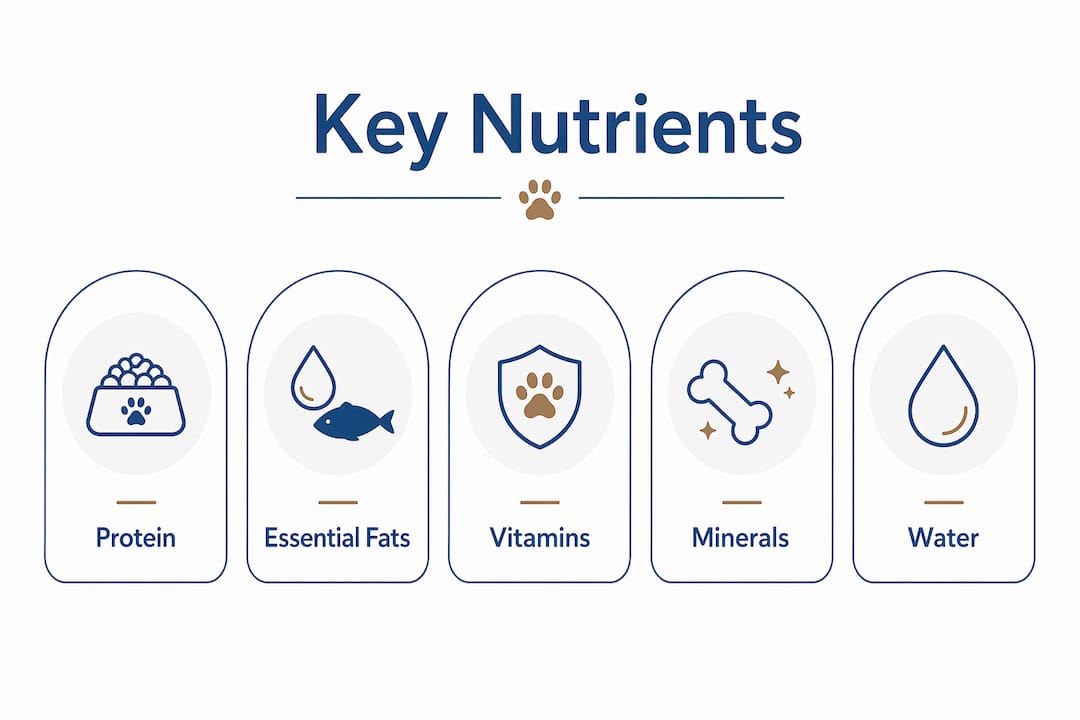
The role of nutrition in grooming results starts with protein. Hair is made almost entirely of keratin, a structural protein. Without adequate high-quality protein and the essential amino acids that build it, follicles produce thin, brittle strands that break easily and shed in excess. This is the most common nutritional cause of poor coat quality in dogs and cats.
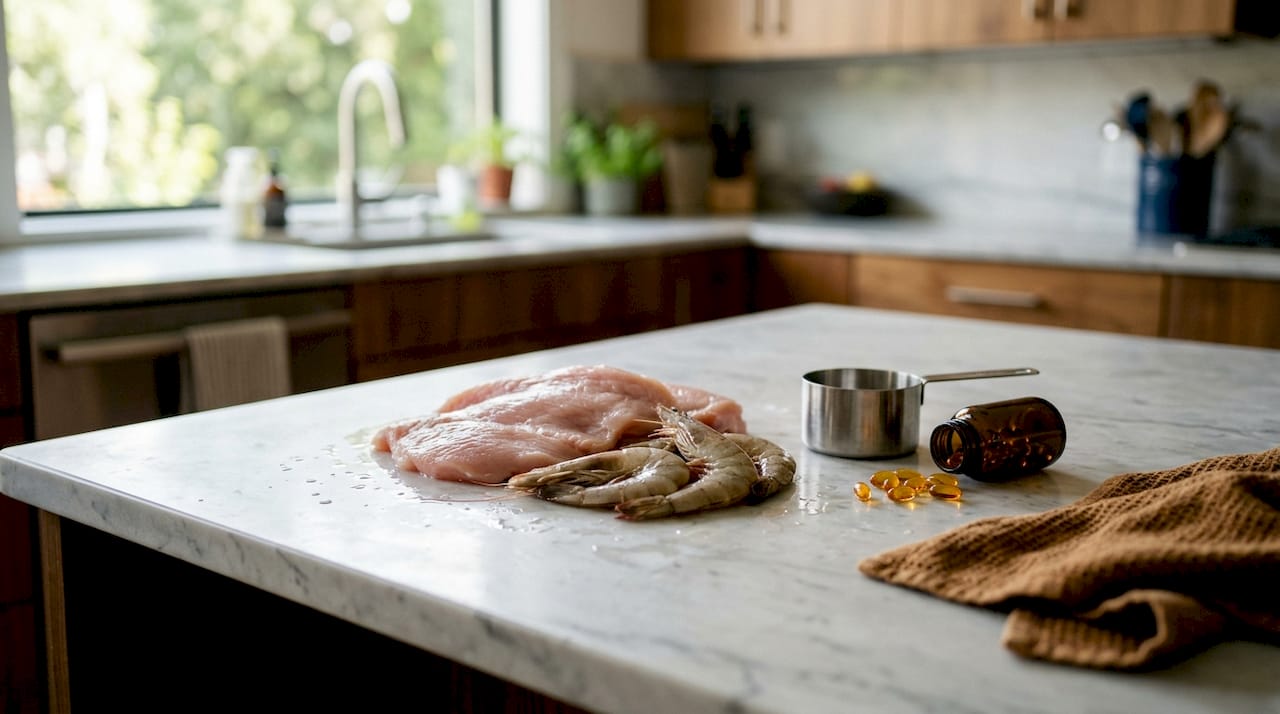
Essential fatty acids are the second pillar. Linoleic and alpha-linolenic acid deficiencies cause scaly skin, reduce coat sheen, and trigger irritability in pets. These fatty acids maintain the epidermal lipid barrier, the thin protective layer that keeps skin hydrated and resilient. Without them, the skin dries out, flakes, and becomes vulnerable to environmental irritants.
Vitamins play equally specific roles:
- Vitamin A regulates cell turnover in the skin and supports follicle metabolism. A deficiency leads to thickened, flaky skin and a dull coat.
- Vitamin E acts as an antioxidant that protects skin cells from oxidative damage. Low levels show up as dry, rough skin and increased shedding.
- B-complex vitamins, especially biotin and niacin, support energy metabolism in rapidly dividing follicle cells. Deficiencies slow hair growth and reduce coat density.
- Zinc and copper influence pigmentation and structural integrity of the hair shaft. Zinc deficiency is a recognized cause of crusty skin lesions in certain breeds.
Pro Tip: Look for pet foods that list a named animal protein (chicken, salmon, lamb) as the first ingredient. Generic “meat meal” products often deliver inconsistent amino acid profiles.
Coat improvement is most reliably measured by a reduction in dandruff and broken hairs rather than an immediate increase in shine. Shine comes later, once the skin barrier has fully recovered and follicles are producing structurally sound strands.
How does diet composition and feeding management affect grooming?
Consistent nutrient delivery matters as much as nutrient quality. Erratic feeding schedules or frequent formula changes disrupt the steady supply of amino acids and fatty acids that follicles depend on. Hair follicles respond slowly to diet changes, and visible improvement typically appears only after a full follicle cycle, which can take several weeks to months depending on the breed.
Treats are a hidden source of nutritional imbalance. Treats should not exceed 10–20% of your pet’s daily calorie intake. When they do, they crowd out the balanced nutrients in the main diet and disrupt the amino acid and fatty acid ratios that support healthy coat growth.
Key feeding management principles include:
- Stick to one formula long enough to see results. Switching foods every few weeks prevents follicles from stabilizing.
- Match the diet to life stage. Puppies and kittens need higher protein and fat ratios than adult pets. Senior pets often benefit from added omega-3 fatty acids to counter age-related skin dryness.
- Account for breed-specific needs. Double-coated breeds like Huskies and Maine Coons require more fatty acid support than short-coated breeds.
- Balance energy intake. Underfeeding starves follicles of energy. Overfeeding, especially with high-carbohydrate diets, can trigger inflammation that worsens skin conditions.
Pro Tip: When transitioning to a new food, do it gradually over 7–10 days. This protects gut health and gives you a cleaner read on how the new formula affects coat quality.
Frequent formula switching can destabilize nutrient supply to follicles and delay grooming benefits by weeks. Patience and consistency are the two most underrated tools in pet nutrition.
What grooming signs reveal your pet’s nutrition status?
Every grooming session is a health assessment. The coat and skin tell a clear story about what is happening inside your pet’s body. Knowing how to read those signals helps you catch nutritional gaps before they become medical problems.
Grooming reveals health status and lets owners detect nutrient-related issues early, before they escalate into chronic conditions. A pet that is nutritionally stressed will often reduce self-grooming as a physiological response. Animals conserve energy for immune and vital systems when under nutritional stress, deprioritizing grooming behavior. This is not laziness. It is a survival signal.
| Grooming sign | Likely nutritional cause |
|---|---|
| Dull, flat coat with no sheen | Low essential fatty acid intake |
| Excessive shedding beyond seasonal norms | Protein or zinc deficiency |
| Dry, flaky skin or dandruff | Vitamin A or fatty acid deficiency |
| Brittle, breaking hair shafts | Inadequate protein or biotin |
| Persistent skin irritation or scaling | Weakened skin barrier from poor fat intake |
Chronic coat issues are often misdiagnosed as allergies when the real cause is an inadequate nutrient profile that has weakened the skin barrier. Strengthening nutrition frequently resolves what looks like an allergy response. Regular grooming assessments create a consistent record of these changes, making it easier to connect dietary adjustments to visible coat improvements over time.
Breed-specific coat variations matter here. A Persian cat’s dense, long coat requires different nutritional support than a Siamese’s short, fine coat. Visible coat quality differs by breed and life stage, which means grooming observations must always be interpreted in the context of your specific pet.
How can pet owners optimize grooming results through nutrition?
Getting the most from every grooming session requires a nutrition plan that works in the background every single day. The groomer can do a great deal with the right tools and technique, but true coat shine requires long-term consistent nutrition support, not quick fixes applied the day before an appointment.
Here is a practical approach to building that foundation:
- Choose a complete, balanced diet. Select a food that meets AAFCO (Association of American Feed Control Officials) nutritional standards for your pet’s life stage. This baseline covers protein, fat, vitamins, and minerals in the right ratios.
- Add targeted omega-3 support if needed. Fish oil supplements containing EPA and DHA are the most direct way to boost fatty acid levels for pets with persistently dry or dull coats. Always consult your vet on dosing.
- Keep treats within the 10–20% calorie limit. Choose treats with simple, recognizable ingredients. Avoid treats with artificial colors or excessive sugar, which add calories without nutritional value.
- Avoid over-supplementation. More is not better with fat-soluble vitamins like A and E. Excess accumulates in the body and can cause toxicity. A balanced commercial diet rarely needs additional supplementation unless a vet identifies a specific deficiency.
- Combine nutrition with regular grooming. Brushing distributes natural skin oils along the hair shaft, which amplifies the sheen that good nutrition produces. Grooming and diet work together, not independently.
- Set realistic timelines. Expect to wait 6–12 weeks before seeing meaningful coat changes after a dietary adjustment. Track progress by checking for reduced dandruff and fewer broken hairs first.
Pro Tip: Photograph your pet’s coat in the same lighting every two weeks after a diet change. Side-by-side photos reveal gradual improvements that are easy to miss day to day.
Balanced nutrient intake tailored to breed traits and life stage optimizes grooming potential and builds long-term coat resilience. The goal is not a one-time fix. It is a sustainable routine that keeps your pet looking and feeling their best year-round. Learning how to prolong grooming effects through consistent feeding habits is one of the most practical skills a pet owner can develop.
Key Takeaways
Diet quality is the foundation of every grooming result, and no amount of professional grooming can fully compensate for a nutritionally deficient diet.
| Point | Details |
|---|---|
| Protein drives coat structure | High-quality animal protein supplies the amino acids needed for keratin production and strong hair shafts. |
| Fatty acids protect the skin barrier | Linoleic and alpha-linolenic acids prevent dry, scaly skin and give the coat its natural sheen. |
| Treats must stay within limits | Treats exceeding 10–20% of daily calories disrupt the nutrient balance that supports healthy coat growth. |
| Grooming signs reveal diet gaps | Dullness, dandruff, and excess shedding are early indicators of nutritional deficiencies, not just grooming issues. |
| Consistency beats quick fixes | Visible coat improvement takes weeks; stick to one balanced formula and avoid frequent diet switching. |
What I’ve learned from watching nutrition change grooming outcomes
Most pet owners come to us focused on the grooming session itself. They want to know which shampoo we use or how often to brush. What surprises them is how often the real answer to their pet’s coat problems is sitting in the food bowl.
We have seen dogs arrive with coats so dry and brittle that no amount of conditioning treatment made a lasting difference. Within two to three months of switching to a diet with adequate fatty acids and protein, the same dogs came back with noticeably softer, shinier coats. The grooming session did not change. The food did.
The biggest misconception we encounter is that supplements alone can fix a poor diet. They cannot. A fish oil capsule on top of a low-quality kibble is like painting over a cracked wall. The structure underneath still needs repair. A genuinely balanced diet is always the starting point.
Patience is the hardest part for most pet owners. Coat changes are slow. We encourage owners to track progress in small, measurable ways, like reduced dandruff or less hair on the brush, rather than waiting for a dramatic transformation. Those small wins confirm the diet is working, and they keep owners motivated to stay consistent.
Grooming and nutrition are not separate conversations. They are the same conversation, and we are always happy to be part of it.
— Growth
Faroopets brings nutrition-aware grooming to your door
At Faroopets, we understand that a great grooming session starts long before the mobile van arrives. Our certified groomers are trained to read coat and skin condition as part of every appointment, and we share what we observe with you so you can connect those signals to your pet’s diet and daily care routine.
Whether your dog needs a full coat refresh or your cat is due for a thorough skin and coat assessment, our dog grooming services in Dubai and cat grooming packages are designed with your pet’s overall health in mind. We bring the expertise, the sanitized equipment, and the genuine care. You bring the commitment to good nutrition. Together, we give your pet the coat they deserve. Book your session today through our easy online system and let us show you what nutrition-aware grooming looks like in practice.
FAQ
What nutrients matter most for a healthy pet coat?
Protein, essential fatty acids (linoleic and alpha-linolenic acid), vitamins A and E, and minerals like zinc and copper are the most critical nutrients for coat and skin health. Deficiencies in any of these show up as dullness, shedding, or dry skin during grooming.
How long does it take to see grooming improvements after a diet change?
Visible coat improvement typically takes several weeks to months, because hair follicles respond slowly to dietary changes. Track progress by watching for reduced dandruff and fewer broken hairs before expecting a change in overall shine.
Can treats affect my pet’s coat quality?
Yes. Treats that exceed 10–20% of daily calorie intake disrupt the amino acid and fatty acid balance that supports healthy coat growth, even when the main diet is high quality.
Why does my pet’s coat look dull even after regular grooming?
Dullness that persists after grooming usually points to a nutritional gap, most often insufficient essential fatty acids or protein, rather than a grooming technique issue. Reviewing your pet’s diet is the most productive first step.
Is it normal for pets to groom themselves less when they are unwell?
Reduced self-grooming is a recognized physiological response to nutritional stress. Animals conserve energy for immune and vital functions when under stress, so a decline in self-grooming can signal that diet or health needs attention.
