


Posted by Faroo Pets Grooming
on July 09, 2026

TL;DR:
- Consistent brushing, selective washing, and smart grooming styles extend pets’ fresh appearance between professional visits. Proper at-home routines and choosing practical trims can reduce dirt build-up and prolong grooming effects significantly. Maintaining clean grooming tools and performing quick hygiene tasks daily support longer-lasting, healthier coats.
The best ways to prolong grooming effects combine consistent brushing, selective washing, and smart style choices that keep your pet’s coat clean and fresh between professional sessions. Grooming maintenance, the industry term for at-home care between appointments, is what separates a pet that looks great for two weeks from one that stays fresh for a month or more. Brushing 3–4 times per week removes debris and oils before they mat into the coat. Choosing a low-maintenance trim suited to your pet’s breed and lifestyle reduces how quickly dirt and tangles build up. We put together this guide to give you practical, expert-backed steps that make every grooming session last longer.
1. Ways to prolong grooming effects through consistent brushing
Brushing is the single most effective at-home tool for extending grooming freshness. Regular brushing removes loose hair and debris before they mat into the coat, delaying the need for a full professional appointment. Matting traps dirt and moisture close to the skin, which accelerates odor and skin irritation. A quick brushing session costs you five minutes and saves your pet real discomfort.
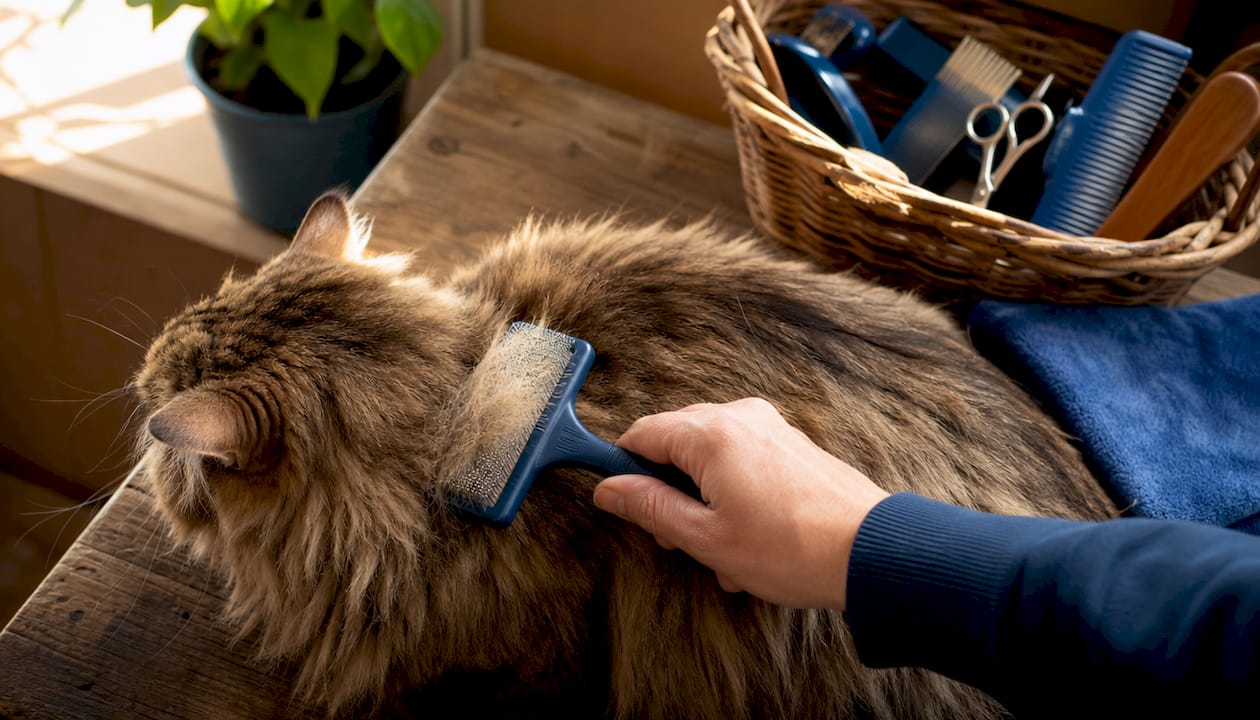
The right frequency matters. Brushing 3–4 times per week is the standard recommended by professional groomers to maintain hygiene between sessions. Pets with longer or double coats benefit from daily brushing, while short-coated breeds can get by with three sessions a week.
Brush type makes a real difference in results:
- Slicker brushes work best for medium to long coats, detangling and removing loose fur.
- Bristle brushes suit short, smooth coats and distribute natural oils evenly.
- Deshedding tools like undercoat rakes target the telogen phase hair that causes shedding. Shed control services focus on this exact hair type to reduce loose fur for weeks after grooming.
- Pin brushes are gentle on curly or wavy coats and prevent breakage.
Pro Tip: Always brush before bathing. Wet mats tighten and become much harder to remove, turning a simple bath into a painful detangling session for your pet.
2. Why avoiding over-bathing helps extend grooming results
More bathing does not mean a cleaner pet. The misconception that frequent baths keep pets fresher is one of the most common mistakes pet owners make. Over-bathing strips the skin’s natural oils, which actually causes dryness and accelerates odor development within one to two weeks. Preserving that natural moisture balance is the key to a coat that stays fresh longer.
Targeted washing is a smarter approach. Focus baths on genuinely dirty areas rather than soaking the whole coat every week. Between baths, use pet-specific grooming wipes or sprays to refresh the coat without drying the skin. Human grooming products disrupt natural oils and cause irritation, so always choose products formulated for pets.
Areas that need regular attention between baths include:
- Paws: Wipe after every outdoor walk to remove dirt, allergens, and bacteria.
- Ears: Clean gently with a vet-approved solution to prevent moisture buildup and odor.
- Skin folds: Breeds with wrinkles need fold cleaning every few days to prevent yeast growth.
- Tail and rear: A quick wipe keeps this area hygienic without a full bath.
Pro Tip: Keep a pack of pet-specific grooming wipes near the front door. A 30-second wipe-down after walks prevents most of the dirt that shortens grooming freshness.
3. Choosing grooming styles that naturally extend maintenance cycles
The grooming style you choose at each appointment directly controls how long the results last. Low-maintenance trims can extend professional appointment intervals by 2–4 weeks by reducing knotting and dirt accumulation. A shorter cut on an active dog simply collects less debris than a flowing coat. That math adds up to fewer appointments and a consistently tidier pet.
Aligning the grooming style with your pet’s climate and activity level keeps the coat in better shape longer. A Poodle in a puppy cut stays cleaner on outdoor adventures than one in a full continental clip. A Golden Retriever with a neat trim around the paws and ears avoids the mud and tangle buildup that a full feathered coat collects.
Style recommendations by coat type and lifestyle:
- Short utility cuts for active or outdoor pets reduce dirt trapping and dry faster after rain or swimming.
- Breed-standard trims for dogs like Schnauzers or Westies are designed to be practical and hold shape well between appointments.
- Teddy bear cuts for dogs and cats are popular because the rounded, even length resists matting better than layered or uneven styles.
- Lion cuts for cats with dense or long coats dramatically reduce home maintenance and are especially practical in warm climates like Dubai.
Discuss your pet’s daily routine with your groomer before choosing a style. A groomer who understands your pet’s active lifestyle grooming needs will recommend a cut that holds its shape and stays clean far longer.
4. Maintaining grooming tools and at-home routines
Clean tools produce better grooming results. Regular cleaning of grooming tools prevents bacteria buildup, maintains coat health, and extends the intervals between professional sessions. A brush clogged with old hair and debris cannot remove new debris effectively. That means every brushing session does less work than it should.
Dirty or dull grooming equipment causes skin irritation and damages hair cuticles, which leads to more frequent grooming needs. Dull scissors and clippers pull rather than cut, leaving uneven ends that tangle faster. Keeping tools in good condition is one of the simplest ways to maintain grooming results at home.
Pro Tip: Clean brushes after every use by removing trapped hair and wiping the bristles with a damp cloth. Disinfect with a pet-safe spray once a week to prevent bacteria transfer to your pet’s skin.
| Maintenance task | Benefit |
|---|---|
| Remove hair from brush after each use | Keeps bristles effective and prevents debris transfer |
| Disinfect brushes weekly | Prevents bacteria and skin irritation |
| Sharpen scissors and clippers regularly | Produces clean cuts that hold shape longer |
| Store tools in a dry, covered case | Prevents rust and contamination between uses |
| Replace worn brush pads | Worn pads scratch skin and reduce brushing effectiveness |
Building a consistent at-home routine around these tasks takes less than ten minutes a week. That small investment protects your pet’s coat health and makes every professional grooming session more effective. For a personalized approach, customized grooming routines can help you build a schedule that fits your pet’s specific coat type and lifestyle.
5. Additional home care tips to keep pets fresh between appointments
Paw wiping, ear cleaning, dental hygiene, and nail trimming all contribute to overall pet freshness and help prolong grooming effects. These tasks address the areas most likely to develop odor and dirt between sessions. Skipping them shortens how long your pet smells and looks clean, even after a professional groom.
Each area plays a specific role in overall hygiene:
- Paw care: Wipe paws after every walk and trim the hair between paw pads. Long paw hair collects mud, debris, and allergens that spread through the home and onto the coat.
- Ear cleaning: Moisture and wax build up quickly in floppy-eared breeds. A weekly gentle clean with a vet-approved solution prevents odor and reduces infection risk.
- Dental hygiene: Facial odor often comes from the mouth, not the coat. Brushing your pet’s teeth or using dental chews several times a week reduces bad breath that undermines the freshness of a recent groom.
- Nail trimming: Overgrown nails force pets to walk awkwardly, which increases paw contact with the ground and speeds up dirt accumulation. Regular trimming also prevents painful splitting and cracking.
These habits take only a few minutes each and work together to keep your pet feeling comfortable and looking well-maintained. Pet owners who maintain grooming between visits also report fewer skin and coat issues at professional appointments, which means sessions go faster and cost less over time. Consistent home care also reduces vet visits by catching small hygiene issues before they become medical ones.
Key Takeaways
Consistent brushing, selective washing, and smart style choices are the three pillars that extend grooming results and keep pets fresh between professional sessions.
| Point | Details |
|---|---|
| Brush 3–4 times per week | Regular brushing removes debris and prevents matting before it shortens grooming freshness. |
| Avoid over-bathing | Stripping natural oils accelerates odor; use pet-specific wipes between baths instead. |
| Choose low-maintenance styles | Shorter, breed-appropriate cuts reduce dirt accumulation and extend appointment intervals by weeks. |
| Clean your grooming tools | Dirty or dull tools damage the coat and reduce the effectiveness of every at-home session. |
| Add supplemental hygiene habits | Paw wiping, ear cleaning, dental care, and nail trimming all contribute to lasting coat freshness. |
What I’ve learned from watching pet owners get grooming right and wrong
The most common mistake I see is treating professional grooming as the finish line rather than the starting point. Pet owners invest in a great groom and then do nothing at home until the coat is matted and smelly again. That cycle costs more money, stresses the pet, and produces worse results over time.
The pet owners whose animals always look great share one habit: they do a little bit every day. Five minutes of brushing, a paw wipe after a walk, a quick ear check on the weekend. None of it is complicated. All of it compounds into a coat that holds its shape and freshness for weeks longer than average.
The other thing I’ve noticed is that style choice is underrated. Choosing a trim that suits your pet’s actual life, not just the breed standard photo, changes everything. An active dog in a practical cut needs far less intervention than the same dog in a show-style coat. That single decision can cut your grooming costs and your pet’s discomfort in half.
Grooming maintenance is not about perfection. It is about consistency. A pet that gets brushed imperfectly four times a week is in far better shape than one that gets a thorough brush once a month. Start small, build the habit, and the results will follow.
— Growth
Professional grooming that makes home care easier

A great professional groom gives you the best possible starting point for home maintenance. Faroopets brings certified, caring groomers directly to your door in Dubai, working from sanitized mobile vans with veterinary-grade products. Whether your dog needs a full grooming session or your cat is due for a professional cat groom, our team selects styles and techniques that make your at-home routine as simple as possible. We also carry a range of pet grooming products designed to extend coat freshness between appointments. Book your next session with Faroopets and give your pet a clean, comfortable start that lasts.
FAQ
How often should I brush my pet to extend grooming results?
Brush your pet 3–4 times per week to remove loose hair and debris before it mats into the coat. Longer or double-coated breeds benefit from daily brushing.
Does bathing my pet more often keep them cleaner longer?
Frequent bathing strips natural skin oils and actually accelerates odor development. Use pet-specific grooming wipes between baths to refresh the coat without drying the skin.
What grooming style lasts the longest between appointments?
Short, breed-appropriate cuts collect less dirt and resist matting, extending professional appointment intervals by 2–4 weeks compared to longer styles.
How do dirty grooming tools affect my pet’s coat?
Dirty or dull tools transfer bacteria to the skin and damage hair cuticles, which leads to faster tangling and more frequent grooming needs.
What home care habits most effectively prolong grooming effects?
Wiping paws after walks, cleaning ears weekly, brushing teeth regularly, and trimming nails on schedule all prevent odor and dirt buildup that shortens grooming freshness.
