


Posted by Faroo Pets Grooming
on June 02, 2026

TL;DR:
- Grooming rescue pets requires patience, desensitization, and positive reinforcement to build trust and ensure health. Introducing grooming tools gradually in a calm environment helps pets associate handling with positive experiences, minimizing stress and pain. Professional care may be necessary for severe matting or high-stress cases, emphasizing that grooming is vital for overall welfare, not just aesthetics.
Grooming for rescue pets is defined as a structured, gradual process of coat, nail, ear, and skin care adapted to an animal’s trauma history, stress tolerance, and physical condition. Unlike grooming a pet raised from puppyhood, rescue pet grooming, or what professionals call desensitization-based grooming, requires patience, positive reinforcement, and a clear understanding of your animal’s limits. The right tools, including slicker brushes, nail trimmers, and gentle shampoos, matter less than the approach you use to introduce them. Get the approach right, and grooming becomes one of the most powerful trust-building rituals you share with your new companion.
How should new rescue pet owners start grooming to build trust?
The first goal of grooming a rescue pet is not a clean coat. It is cooperation training. According to the San Diego Humane Society, the focus of early sessions should be tool and touch familiarity during short interactions, not completing a full groom. That shift in mindset changes everything.
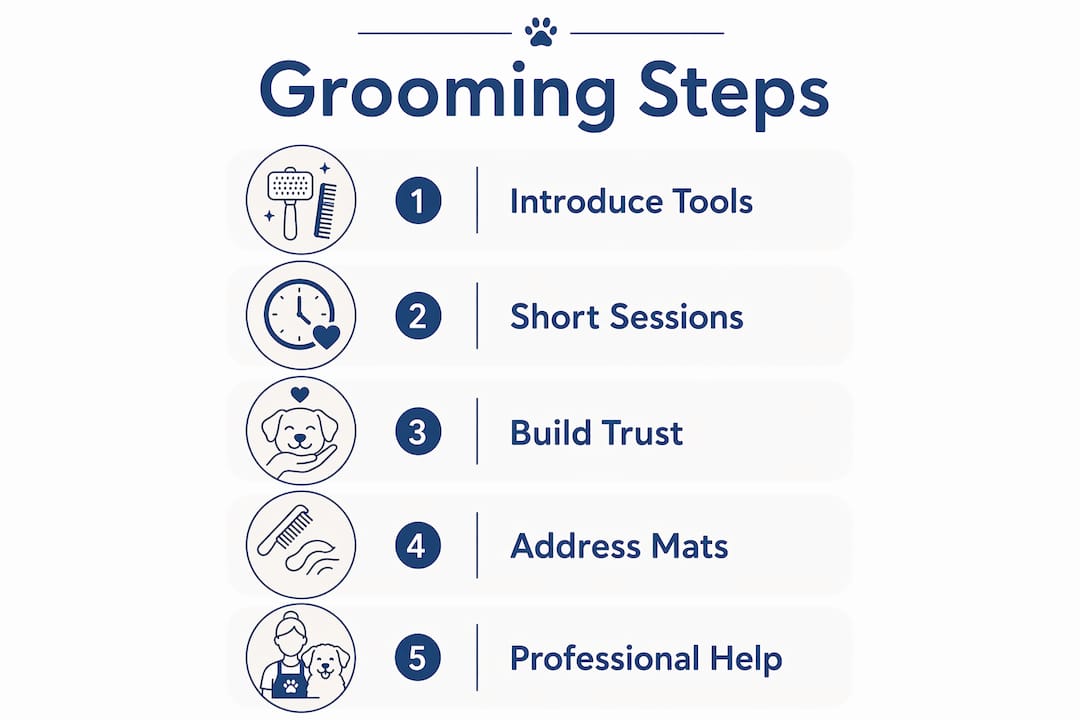
Start by letting your pet sniff the brush, nail trimmer, or comb before you use it. Place it on the floor. Let them investigate. Then, over several sessions, progress to gentle touches on low-sensitivity areas like the back and shoulders before moving to the paws, ears, or tail. This is desensitization in practice, and it works because you are teaching your pet that grooming tools predict good things, not discomfort.
Positive reinforcement is your most effective tool here. Use high-value rewards like lick mats spread with peanut butter or small training treats to keep your pet focused and calm during contact. The San Diego Humane Society advises slowing down and offering treats the moment your pet shows any resistance, rather than pushing through. Resistance is information, not defiance.
Reading body language is non-negotiable. Watch for these signals that tell you to pause or stop:
- Lip licking or yawning during handling
- Turning the head away or moving out of reach
- Stiffening of the body or tucking the tail
- Whale eye (showing the whites of the eyes)
- Low growling or a sudden freeze
Pro Tip: Set up your grooming area in a quiet room with a non-slip mat on the floor or table. Reducing environmental distractions cuts stress before you even pick up a brush. Pair this with grooming for pet anxiety strategies to build a genuinely calm routine.
What are common grooming challenges for rescue pets?
Rescue pets frequently arrive with grooming neglect that ranges from mild tangles to severe, painful matting. Overgrown nails cause pain and infections, affect normal walking mechanics, and can curl back into the paw pad if left untreated. Matting compresses the skin, traps moisture, and creates conditions for bacterial and fungal infections underneath. These are health issues, not cosmetic ones.
Understanding the difference between matting levels helps you decide whether to handle something at home or call a professional immediately.
| Matting level | Description | Recommended action |
|---|---|---|
| Mild | Small, loose tangles that move freely | Detangle at home with a slicker brush and detangling spray |
| Moderate | Tight knots close to the skin, some pulling | Attempt with a dematting comb; stop if pet shows pain |
| Severe | Dense, pelted mats covering large areas | Book a professional shave-down immediately |
Brushing out severe mats causes pain and can traumatize a pet that already has a difficult history. GroomLocal notes that professional groomers follow a “humanity over vanity” principle, recommending shaving as the humane option when mats are too tight to safely brush. A shave-down session can take two to six hours and requires a skilled, patient groomer. The coat grows back. The trust you break by forcing a painful brush-out does not recover as quickly.
Grooming neglect is often unintentional, linked to barriers like cost, lack of skills, or simply not knowing what to look for. If your rescue arrives in rough condition, do not blame yourself or the shelter. Focus on the next right step.
Pro Tip: While waiting for a professional appointment, keep severe mats dry and avoid bathing the pet. Water tightens mats and makes them harder to remove. Use a light coat of cornstarch around the mat edges to reduce friction if your pet allows gentle handling.
How to create a safe grooming routine at home for rescue pets
A consistent home grooming routine is one of the best things you can do for your rescue pet’s long-term health. A clean, quiet environment with non-slip mats and minimal distractions is the foundation of every successful session, according to Chewy’s grooming guidance. Before you build the routine, gather the right equipment.
Core grooming tools for rescue dogs and cats:
- Slicker brush for detangling and coat maintenance
- Dematting comb for mild to moderate knots
- Stainless steel nail clippers or a rotary grinder like the Dremel 7300-PT
- Gentle, pet-safe shampoo such as Burt’s Bees Hypoallergenic Shampoo
- Cotton balls and a vet-approved ear cleaning solution
- Microfiber towels for drying
Grooming frequency depends on coat type. Short-haired dogs like Labrador Retrievers need brushing once a week and bathing every four to six weeks. Long-haired breeds like Golden Retrievers or Maine Coon cats need brushing three to five times per week to prevent matting. Rescue pets may need more frequent checks in the first few months as you assess their baseline coat condition and skin health.
Here is a step-by-step home grooming sequence that works well for most rescue dogs:
- Brush the coat thoroughly before bathing to remove loose fur and tangles.
- Check ears for redness, odor, or discharge before cleaning gently with a cotton ball.
- Bathe with lukewarm water and a pet-safe shampoo, keeping water away from the ears and eyes.
- Dry with a microfiber towel, then a low-heat dryer if your pet tolerates sound.
- Trim nails after bathing when they are slightly softened, clipping just the tip to avoid the quick.
- Reward generously at the end of every session.
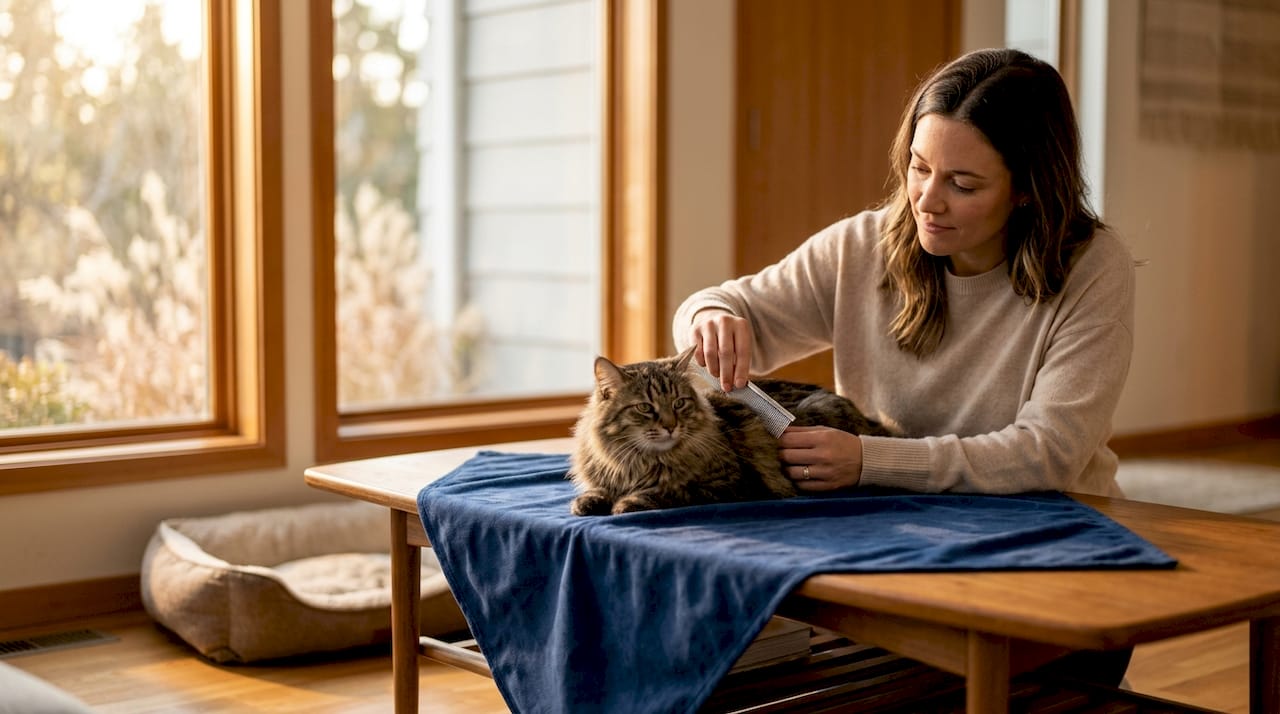
For cats, keep sessions under five minutes at first. Cats benefit from very short, frequent grooming sessions to build positive associations, with BestCatGrooming recommending multiple sessions weekly rather than one long ordeal. You can find more guidance on organizing your grooming supplies to keep everything accessible and your sessions smooth.
Pro Tip: Check your rescue pet’s routine grooming assessments schedule. Early detection of skin issues, ear infections, or dental problems during grooming saves significant vet costs down the line.
How do special considerations differ for stressed or long-haired rescue pets?
Some rescue pets need more than a slow start. They need a full decompression period before grooming begins at all. National Newfoundland Rescue recommends no brushing or mat removal for at least 10 days after adoption for Newfoundlands and similar long-haired breeds. The reasoning is direct: a newly arrived dog is already processing enormous stress. Adding physical handling before they feel safe increases the risk of fear responses, including biting.
This 10-day rule applies broadly to any highly stressed rescue, regardless of breed. During this window, focus entirely on bonding. Let your pet approach you. Offer treats without requiring anything in return. Build the emotional safety net before you introduce grooming tools.
Watch for these stress signals during any grooming attempt, and stop the session immediately if you see them:
- Panting heavily without physical exertion
- Attempting to escape the grooming area repeatedly
- Snapping, growling, or showing teeth
- Trembling or crouching low to the ground
- Refusing treats they normally love (a sign of high stress)
For cats, the 3-minute rule from BestCatGrooming is one of the most practical tools we have seen. Stop the session at or before three minutes, before tension builds. End on a calm moment, not a struggle. Over weeks, most cats accept longer sessions naturally because they learn grooming never becomes overwhelming.
Stopping grooming before stress escalates prevents fear association and increases cooperation over time, as the San Diego Humane Society confirms. The short session that ends well is worth ten times more than the long session that ends in a standoff.
Pro Tip: If your rescue pet has a history of fear-based reactions during grooming, seek out a groomer certified in Fear Free handling. Fear Free is a professional certification program that trains groomers to recognize and reduce anxiety in pets during care.
Key takeaways
Grooming rescue pets requires desensitization, patience, and professional support for severe neglect cases, with every session building toward lasting trust and better health.
| Point | Details |
|---|---|
| Start with cooperation training | Focus on tool familiarity and short touch sessions before attempting a full groom. |
| Severe mats need professional care | Attempting home removal of tight mats risks pain and injury; book a professional shave-down instead. |
| Environment shapes success | A quiet, non-slip grooming space reduces baseline stress before you even begin. |
| Decompression comes first | Wait at least 10 days before brushing highly stressed or long-haired rescue breeds. |
| Short sessions build lasting trust | Ending sessions before stress peaks teaches pets that grooming is safe, not threatening. |
Grooming is welfare care, not a luxury
I have seen a lot of rescue pet owners apologize for their animal’s coat condition when they first bring them in. They feel guilty, as if the matting or overgrown nails reflect something about them as an owner. That guilt is misplaced, and I want to say that clearly.
Viewing grooming as core to pet welfare rather than cosmetic upkeep changes how you approach the whole process. When you see a mat as a health issue rather than an aesthetic flaw, you stop trying to fix it yourself out of embarrassment and start getting the right help. That shift matters enormously for the pet.
What I have found, working alongside groomers and watching rescue owners grow into their role, is that the owners who do best are the ones who collaborate. They talk to their vet about skin conditions. They ask their groomer what they noticed during the session. They use resources like rewarding pets after grooming to reinforce positive associations at home. They treat grooming as a team effort.
The payoff is real. A rescue dog that once trembled at the sight of a brush can, within months of consistent and gentle handling, lean into the comb with visible pleasure. That transformation does not happen because you forced it. It happens because you were patient enough to let trust grow at the pet’s pace.
— Growth
How Faroopets supports your rescue pet’s grooming journey
At Faroopets, we understand that rescue pets need more than a standard groom. They need calm, experienced hands and a groomer who reads their signals. Our certified groomers are trained in gentle, fear-aware handling techniques, and our mobile vans come fully sanitized and equipped for cats, dogs, and birds of all coat types.

Whether your rescue dog needs a full professional dog grooming session or your newly adopted cat needs a gentle introduction to care through our cat grooming services, we are here to help. Happiness really is just a brush stroke away. Book your first session today and let us take care of the rest.
FAQ
What does grooming for rescue pets actually involve?
Grooming for rescue pets involves coat brushing, bathing, nail trimming, and ear care adapted to the animal’s stress level and history of neglect. The process prioritizes gradual desensitization and positive reinforcement over speed or cosmetic results.
How soon after adoption should I start grooming my rescue pet?
For most rescue pets, begin with very short, low-pressure touch sessions within the first week. For highly stressed animals or long-haired breeds like Newfoundlands, wait at least 10 days before attempting any brushing or mat removal.
Can I brush out severe mats at home?
No. Attempting home removal of severe mats risks painful injury to your pet’s skin. Book a professional groomer for a shave-down, which is the humane and safe option for pelted or tightly compressed matting.
How long should grooming sessions be for rescue cats?
Keep early sessions to three minutes or less. BestCatGrooming’s 3-minute rule recommends ending each session before tension builds, then repeating multiple times per week to gradually increase your cat’s comfort and tolerance.
What if my rescue pet refuses grooming entirely?
Stop the session, offer a treat, and try again later with an even shorter interaction. Ending sessions before stress escalates is more effective than pushing through resistance. If refusal persists, consult a Fear Free certified groomer or your veterinarian for a behavior-informed plan.
