


Posted by Faroo Pets Grooming
on May 21, 2026

TL;DR:
- Choosing the right pet shampoo depends on your pet’s coat type, skin sensitivity, and specific conditions. Using species-specific, pH-balanced formulas with appropriate ingredients is essential to maintain healthy skin and coat. Proper grooming routines, including conditioning, are vital for preventing skin issues and ensuring your pet’s comfort and well-being.
Walk into any pet store and the shampoo aisle alone can feel overwhelming. There are dozens of types of pet shampoos staring back at you, each promising something different. Picking the wrong one is not just a wasted purchase. It can dry out your pet’s skin, trigger allergic reactions, or leave their coat looking worse than before the bath. We put together this guide to help you understand every major shampoo category, how to match it to your pet’s specific needs, and what ingredients actually matter.
Table of Contents
- Key takeaways
- How to choose the right type of pet shampoo
- 1. Regular or general purpose shampoo
- 2. Oatmeal and hypoallergenic shampoo
- 3. Medicated shampoo
- 4. Flea and tick shampoo
- 5. Puppy and kitten shampoo
- 6. Waterless or dry shampoo
- 7. Conditioning and moisturizing shampoo
- 8. Natural and organic shampoo
- 9. Deodorizing shampoo
- How to match shampoo types to your pet’s coat
- Common mistakes to avoid when buying pet shampoo
- My take on shampoo choices after years in pet grooming
- Let Faroopets take the guesswork out of grooming
- FAQ
Key takeaways
| Point | Details |
|---|---|
| pH matters more than you think | Pet skin has a different pH than humans, making species-specific formulas critical for healthy skin. |
| Coat type drives shampoo choice | Short, double, and curly coats each need different formula weights and moisture levels. |
| Medicated shampoos need vet input | Active ingredients like chlorhexidine require professional guidance to avoid worsening skin conditions. |
| Natural ingredients make a difference | Jojoba oil and amino acid surfactants measurably improve coat health and reduce moisture loss. |
| Conditioner is not optional | Skipping conditioner after shampooing leads to tangles, dryness, and longer grooming sessions. |
How to choose the right type of pet shampoo
Before you pick a bottle off the shelf, there are a few things worth understanding about your pet’s skin and coat. Getting this right from the start saves you money, time, and your pet a lot of discomfort.
Skin pH and sensitivity come first. Pet skin differs from human skin in both pH level and structure, which is why using your own shampoo on your dog is genuinely harmful, not just inconvenient. Dog skin sits at a more neutral pH (around 6.5 to 7.5), while human skin is more acidic (around 4.5 to 5.5). Human shampoos disrupt the skin barrier and create conditions where bacteria and yeast thrive.
Coat type shapes everything else. A dog with a short, smooth coat needs a lightweight formula that rinses clean quickly. A thick double coat needs something with deeper cleansing power that reaches the undercoat without stripping natural oils. Curly or textured coats need moisture-rich formulas to maintain softness and prevent matting.
Surfactants are the ingredient you should actually read about. Most pet shampoos use surfactants to lift dirt and oil. Traditional sulfate-based surfactants clean well but can be harsh. Amino acid surfactants like sodium cocoyl glycinate reduce skin moisture loss by 32% compared to standard sulfate options. If your pet has sensitive skin, that number matters.
Here are the key criteria to assess before buying any shampoo:
- Skin sensitivity: Look for fragrance-free, sulfate-free, and paraben-free labels if your pet reacts easily
- Coat length and texture: Match formula weight to coat type (more on this below)
- Grooming frequency: Pets bathed often need gentler, dilutable formulas that won’t over-strip oils
- Existing skin conditions: Conditions like seborrhea, hot spots, or fungal infections require medicated options
- Life stage: Puppies and kittens need tear-free, ultra-gentle formulas regardless of coat type
Pro Tip: If your pet scratches, shakes, or seems irritable after baths, the shampoo is likely the culprit. Before trying a different brand, consult your groomer or vet to identify whether the issue is a fragrance, a surfactant, or a specific preservative.
1. Regular or general purpose shampoo
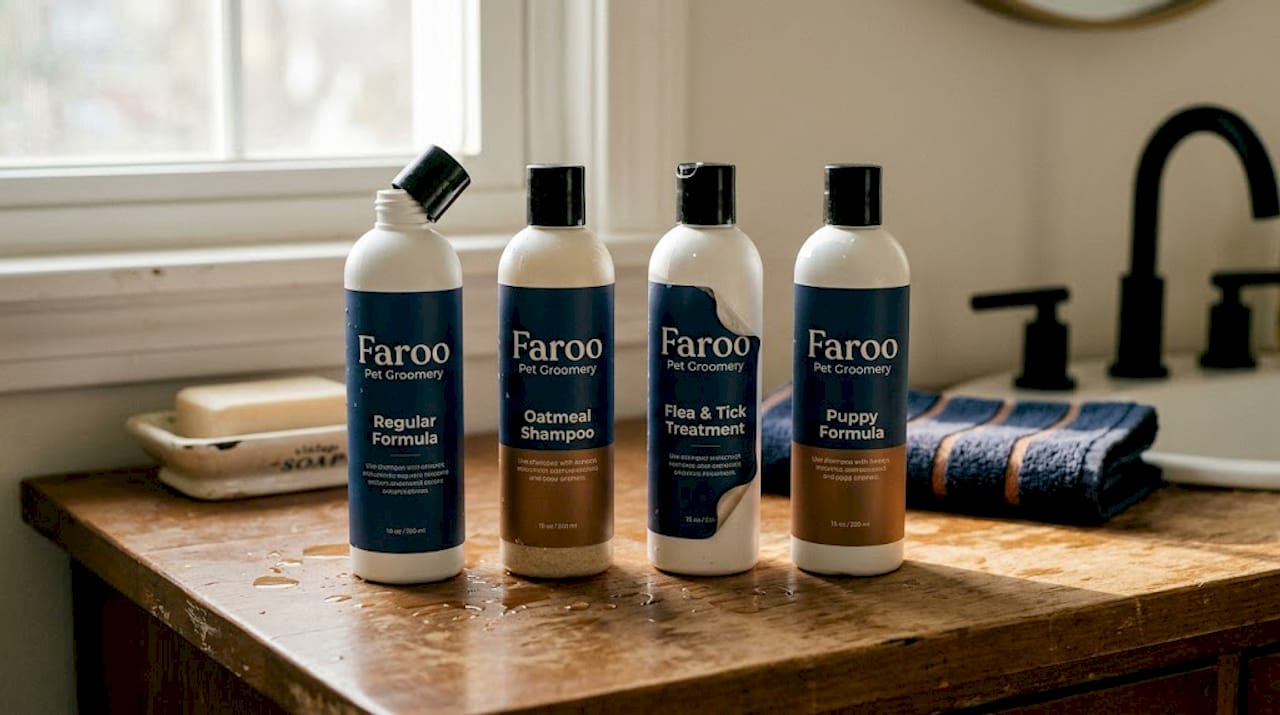
This is the everyday workhorse for pets with no known skin issues and a healthy coat. Regular shampoos clean away dirt, debris, and mild odors without any specialty ingredients. They work well for monthly or bimonthly baths in pets with normal skin. The trade-off is that they don’t offer therapeutic benefits, so if your pet has a specific concern, you’ll want something more targeted.
2. Oatmeal and hypoallergenic shampoo
These are the go-to types of gentle pet shampoos for dogs and cats with sensitive, itchy, or reactive skin. Oatmeal-based shampoos often contain beta-glucan and avena sativa extract, both of which calm inflammation and soothe the skin during and after the bath. They’re free of harsh chemicals and sulfates, making them some of the best examples of gentle pet shampoos on the market. Hypoallergenic formulas go one step further by eliminating artificial fragrances, dyes, and known allergens entirely.
3. Medicated shampoo
Medicated shampoos are not interchangeable with regular ones. They contain active ingredients like chlorhexidine, ketoconazole, or benzoyl peroxide, each targeting a different condition. Chlorhexidine fights bacterial infections. Ketoconazole addresses fungal overgrowth. Benzoyl peroxide treats seborrhea and follicular plugging. Medicated shampoos now account for 20 to 25% of market value and are the fastest growing segment, largely because more skin conditions are being properly diagnosed. Always consult your vet before using a medicated shampoo. Using the wrong active ingredient can make a skin condition significantly worse.
4. Flea and tick shampoo
These shampoos contain insecticidal agents, most commonly pyrethrins or permethrin, that kill or repel external parasites. They’re useful for a one-time treatment after flea exposure, but they’re not a long-term prevention strategy. One critical point: permethrin is highly toxic to cats, so never use a dog-specific flea shampoo on a cat. Always check the label for species suitability before you open the bottle.
5. Puppy and kitten shampoo
Young animals have more delicate skin and underdeveloped skin barriers, so their shampoo needs are distinct. Puppy and kitten shampoos are formulated to be tear-free, meaning they won’t sting if they get near the eyes during a bath. The formulas are milder and use lower concentrations of cleansing agents. Even if you have a gentle adult shampoo, it’s worth using a puppy-specific product for the first several months of your pet’s life.
6. Waterless or dry shampoo
Waterless shampoos are a lifesaver for pets that genuinely hate baths, pets recovering from surgery, or days when a full bath just isn’t practical. You spray or massage the product into the coat, wait briefly, then brush it out. These are excellent pet grooming shampoo options for between-bath freshening, but they don’t replace a proper wash. Heavy dirt, oils, and buildup still need water and a true rinse-out formula to clear properly.
7. Conditioning and moisturizing shampoo
These formulas combine cleansing with coat conditioning in one step, often including ingredients like argan oil, coconut oil, aloe vera, or jojoba oil. Research involving 120 dogs over 8 weeks found that jojoba oil shampoos reduced hair breakage by 41% and improved ease of combing by 67%. That’s a meaningful improvement for owners of breeds with longer or finer coats. These are among the best pet shampoo for dogs with dry, brittle, or color-treated coats.
8. Natural and organic shampoo
Natural pet shampoos use plant-derived ingredients and avoid synthetic preservatives, artificial colors, and petroleum-based compounds. They appeal to pet owners who want their grooming products to reflect their broader lifestyle choices. Choosing shampoos free of artificial colors, fragrances, parabens, sulfates, and phthalates consistently results in gentler care for sensitive pets. The natural segment is growing fast alongside the broader premiumization trend in pet care, with the U.S. pet shampoo market expanding at 4 to 6% annually, with natural and organic options outpacing the general category.
9. Deodorizing shampoo
Some dogs just get smelly faster than others. Breeds with skin folds, dogs that swim often, and dogs with denser coats can develop odor between baths that regular shampoo struggles to address. Deodorizing formulas use enzymes or activated charcoal to neutralize odor at the source rather than masking it with fragrance. If you find yourself bathing your dog more frequently just to manage smell, a deodorizing shampoo used strategically can extend the time between full baths.
How to match shampoo types to your pet’s coat
Once you understand the categories, the next step is matching them to your specific pet. Coat type is the most reliable guide.
| Coat type | Recommended shampoo type | Key benefit |
|---|---|---|
| Short / smooth | Lightweight general purpose | Easy rinse, no residue |
| Long / silky | Conditioning or moisturizing | Reduces tangles and breakage |
| Double / thick | Deep cleansing | Reaches undercoat, removes buildup |
| Curly / wavy | Moisture-rich formula | Maintains curl definition, prevents matting |
| Sensitive / allergy-prone | Oatmeal or hypoallergenic | Soothes skin, avoids irritants |
| Skin condition present | Medicated (vet-recommended) | Targets specific condition |
Short coats need lightweight formulas that rinse cleanly without weighing the coat down. Double coats need more lather and more thorough rinsing. Curly coats absorb moisture well but also trap debris, so a moisture-rich formula paired with a good conditioner is the winning combination.
For pet grooming tips on active lifestyles, dogs that swim, run outdoors, or play in sandy environments often need more frequent bathing. In those cases, dilutable formulas are practical because they cost less per bath and tend to be gentler on skin when used repeatedly.
Pro Tip: If your pet has a double coat, never skip the blow-dry step after bathing. A coat that stays damp close to the skin creates conditions for yeast or bacteria to multiply, particularly in humid climates like Dubai.
Common mistakes to avoid when buying pet shampoo
These are the errors we see most often, and they’re all easy to avoid once you know what to look for.
- Using human shampoo: Human shampoos on dogs can cause reactions ranging from mild redness to severe hives, because the pH difference disrupts the skin microbiome.
- Using the wrong species formula: Cat skin is not the same as dog skin. Shampoo types for cats are formulated differently, with different concentration thresholds and without ingredients that are toxic to felines.
- Overbathing: Bathing too frequently strips the natural oils that keep skin hydrated and the coat looking healthy. Most dogs need baths every 4 to 6 weeks unless there’s a specific reason to bathe more often.
- Skipping conditioner: Conditioner use alongside shampoo is not just a luxury step. It reduces grooming time, prevents breakage, and significantly improves your pet’s comfort during brushing afterward.
- Ignoring the ingredient list: Harsh preservatives, artificial dyes, and synthetic fragrances are the most common hidden irritants in budget shampoos.
Pro Tip: Read the ingredient list from the top down. Ingredients are listed by concentration, so the first five or six ingredients tell you most of what you need to know about how a formula will perform on your pet’s skin.
My take on shampoo choices after years in pet grooming
I’ve seen what happens when pet owners grab whatever’s on sale without reading the label. It’s almost never dramatic at first. Mild flakiness, a bit more scratching, a coat that looks a little dull. But over months, the cumulative effect of the wrong shampoo can seriously compromise your pet’s skin health.
What I’ve learned is that the shampoo-conditioner combination matters as much as the shampoo itself. Most owners use a decent shampoo and skip the conditioner entirely, then wonder why their dog’s coat feels dry or their cat’s fur tangles so fast. Using conditioner after shampooing is the single most underrated step in a grooming routine.
For pets with recurring skin issues, I always say go to the vet before you go to the pet store. Veterinarians strongly recommend consulting a professional before choosing medicated shampoos because using the wrong active ingredient can mask symptoms while the underlying condition gets worse.
My honest opinion on natural pet shampoos: the premium price is usually worth it for long-term coat health. Formulations built around amino acid surfactants and botanical actives cost more per bottle, but they protect the skin barrier rather than eroding it. For pets bathed regularly, that difference accumulates into visibly better coat condition over time. For guidance on why grooming matters, it’s always about more than appearances.
— Growth
Let Faroopets take the guesswork out of grooming
Choosing the right shampoo is only half the equation. Applying it correctly, at the right temperature, with the right technique, and followed by proper conditioning and drying, is what actually produces results your pet feels as much as you see.

At Faroopets, our certified groomers select the right products for your pet’s specific coat type, skin condition, and lifestyle before every session. Whether your dog needs a deep-cleansing treatment for a thick double coat or your cat requires the gentlest hypoallergenic formula, we bring everything to your door. Explore our dog grooming services in Dubai or our cat grooming services and let our team take care of the details. Ready to give your pet the right shampoo experience? Book your session today.
FAQ
What are the main types of pet shampoos?
The main types of pet shampoos include regular, oatmeal or hypoallergenic, medicated, flea and tick, puppy or kitten, waterless, conditioning, natural, and deodorizing formulas. Each type targets a specific skin or coat need.
Can I use human shampoo on my dog or cat?
No. Human shampoos have a different pH than pet skin and can disrupt the skin barrier, causing reactions from mild redness to severe hives. Always use a species-specific formula.
How do I choose a shampoo for a dog with sensitive skin?
Look for oatmeal-based or hypoallergenic shampoos that are free of sulfates, artificial fragrances, parabens, and dyes. Ingredients like beta-glucan and avena sativa extract actively soothe sensitive or reactive skin.
When should I use a medicated pet shampoo?
Use medicated shampoo only when a vet has identified a specific skin condition like a bacterial infection, fungal overgrowth, or seborrhea. Using the wrong active ingredient without diagnosis can worsen the condition.
How often should I bathe my pet?
Most dogs benefit from a bath every 4 to 6 weeks. Pets with active lifestyles or skin conditions may need more frequent bathing, in which case a gentle, dilutable shampoo formula helps protect the skin barrier over repeated use.
