


Posted by Faroo Pets Grooming
on March 07, 2026

If you own a long-haired cat in Dubai, you know the struggle: mats, tangles, and endless shedding that seem impossible to control. Daily brushing with the right tools prevents these issues, keeping your cat’s coat healthy and reducing discomfort. This guide walks you through expert-recommended tools, techniques, stress management, and when to seek professional grooming help.
Table of Contents
- Prerequisites And Tools Needed
- Daily Grooming Routine And Techniques
- Acclimating Your Cat And Stress Reduction
- Common Grooming Mistakes And Troubleshooting
- When To Seek Professional Grooming And Its Benefits
- Expected Outcomes And Success Metrics
- Explore Premium Cat Grooming Services In Dubai
- Frequently Asked Questions About Grooming Long-Haired Cats
Key takeaways
| Point | Details |
|---|---|
| Daily brushing prevents mats | Using appropriate tools daily stops painful tangles and reduces shedding significantly. |
| Gentle approach builds tolerance | Patience, treats, and positive reinforcement help cats accept grooming over time. |
| Avoid DIY mat removal | Never cut mats with scissors; professionals safely handle severe tangles. |
| Professional grooming complements home care | Schedule expert sessions every 6-8 weeks for bathing, trimming, and difficult areas. |
| Consistent routine yields results | Regular grooming produces a shiny, healthy coat and a more relaxed cat. |
Prerequisites and tools needed
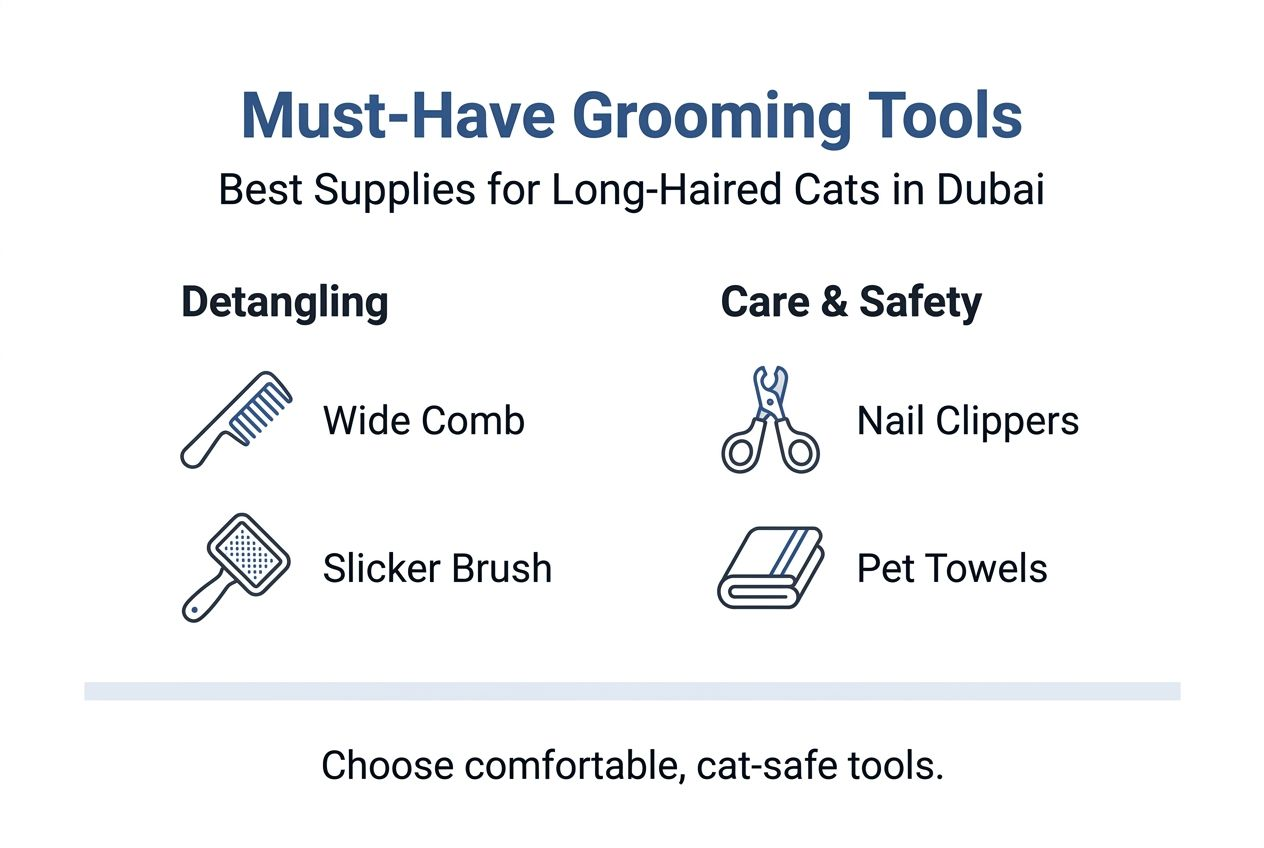
Before you start grooming, gather the right equipment. Using a wide-toothed comb, slicker brush, and detangling tools designed for long-haired cats helps safely remove knots without causing pain or skin injury. Quality tools make grooming faster and more comfortable for your cat.
Essential tools every Dubai cat owner needs:
- Wide-toothed metal comb for working through the undercoat
- Slicker brush with fine, bent wires for surface coat smoothing
- Detangling spray formulated for cats (never use human products)
- High-quality treats to reward cooperation
- Soft towel or non-slip mat for a secure grooming surface
Create a calm grooming space away from noise and distractions. Choose a room where your cat feels comfortable, ideally after playtime when they’re naturally more relaxed. Keep all tools within reach before you begin to avoid mid-session interruptions.
| Tool Type | Best Use | Key Benefit |
|---|---|---|
| Wide-toothed comb | Detangling undercoat, removing loose fur | Reaches deep layers without pulling |
| Slicker brush | Smoothing top coat, finishing touches | Creates shine and removes surface debris |
| Detangling spray | Pre-treating stubborn knots | Reduces friction and pain during brushing |
| Mat splitter | Breaking up formed mats safely | Avoids scissors and skin injury risk |
Dubai’s heat and dust make regular grooming even more critical. Cats shed more in warm climates, and sand particles can work into long fur, creating additional tangles. Consider pairing your tools with a sophisticated basic grooming package that includes professional-grade supplies.
For specialized products, explore options like shampoo designed for long-haired cats that maintains coat moisture without stripping natural oils. Professional cat grooming services in Dubai can also recommend tools suited to your cat’s specific coat type.
Pro Tip: Set up your grooming station the night before your first session. Having everything ready reduces your stress and helps you stay calm, which your cat will sense and mirror.
Daily grooming routine and techniques
Establishing a consistent routine is everything. Daily or every-other-day brushing prevents matting and tangling in long-haired cats, focusing on areas prone to mats such as behind the ears, under the chin, and along the belly. Consistency trains both you and your cat to expect and accept grooming.
Follow this step-by-step approach for effective daily grooming:
- Start with a quick inspection of your cat’s coat to identify any new tangles or sensitive areas.
- Apply detangling spray lightly to problem spots and let it sit for 30 seconds.
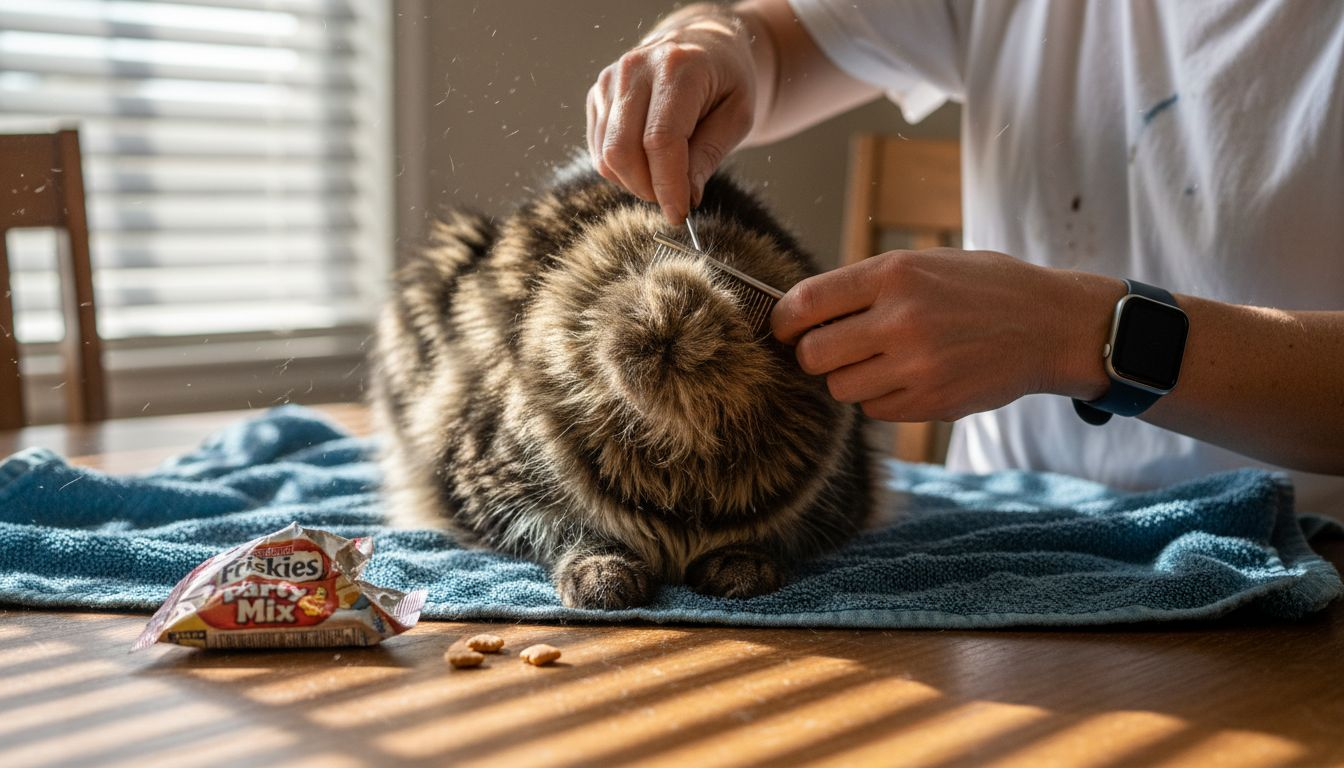
- Begin brushing with the wide-toothed comb at the head, working toward the tail in the direction of fur growth.
- Pay special attention to mat-prone zones: behind ears, under chin, armpits, belly, and tail base.
- Switch to the slicker brush for a finishing pass over the entire coat.
- End with praise and a treat, keeping the experience positive.
Timing and frequency matter:
- Aim for 5 to 10 minute sessions daily or every other day
- Groom after meals when cats are naturally calmer
- Stop immediately if your cat shows signs of stress or discomfort
- Never force grooming; build tolerance gradually over weeks
When you encounter a stubborn knot, work gently from the outside in. Hold the fur close to the skin to avoid pulling and causing pain. If a mat resists gentle combing, apply more detangling spray and wait before trying again. Patience prevents the negative associations that make future grooming sessions difficult.
For severe matting or if home grooming becomes overwhelming, consider booking a luxury full cat grooming session where professionals handle the heavy lifting. Regular expert care combined with your daily maintenance creates the best results.
Dubai’s climate means more frequent brushing during shedding seasons. You might need daily sessions in spring and fall when cats naturally lose their winter or summer coats. Track how much loose fur you collect to gauge whether you need to adjust your routine.
Watch your cat’s body language closely. Relaxed ears, soft eyes, and gentle purring signal comfort. Tense muscles, flattened ears, or tail twitching mean it’s time for a break. Respecting these signals builds trust and makes each session easier than the last.
Acclimating your cat and stress reduction
Many cats initially resist grooming, especially if they weren’t brushed as kittens. Starting grooming early with positive reinforcement like treats helps build lifelong grooming tolerance and reduces stress associated with brushing. Even adult cats can learn to accept and enjoy grooming with patience.
Gradual acclimation steps:
- Begin with brief 1 to 2 minute sessions, simply touching the brush to their fur
- Offer treats before, during, and after every grooming attempt
- Increase session length by 30 seconds each week as tolerance builds
- Always end on a positive note, even if you barely brushed at all
- Use a calm, soothing voice throughout the process
Recognize and respond to stress signals immediately. Tail flicking, growling, hissing, or attempts to escape indicate your cat has reached their limit. Pushing past these warnings damages trust and makes future sessions harder. Respect their boundaries and try again later.
Positive reinforcement works better than any technique. Associate the brush with good things by showing it before treat time or play sessions. Let your cat sniff and investigate grooming tools on their own terms. Some cats respond well to catnip rubbed on brush handles.
For cats with grooming anxiety, consider professional help. Experienced groomers at cat grooming centers in Dubai know techniques to calm nervous cats and can demonstrate methods you can replicate at home. Mobile grooming reduces stress by keeping cats in their familiar environment.
Pro Tip: Create a grooming ritual that includes elements your cat already loves. If they enjoy being petted in a certain spot, start there before introducing the brush. Linking grooming to established positive behaviors accelerates acceptance.
Consistency in timing and location helps cats feel secure. Groom at the same time each day in the same quiet space. Cats are creatures of habit, and predictable routines reduce anxiety. Over weeks and months, grooming becomes just another expected part of their day.
Never punish or scold a cat for resisting grooming. This creates fear and makes the problem worse. Instead, back up a step in your acclimation process and rebuild trust slowly. Some cats take months to fully accept grooming, and that’s perfectly normal.
Common grooming mistakes and troubleshooting
Even well-meaning owners make errors that complicate grooming. Avoid cutting mats with scissors to prevent injury; instead, seek professional groomers or veterinarians to safely remove severe mats. Cat skin is thin and pulls up into mats, making accidental cuts frighteningly common.
Frequent mistakes and how to fix them:
- Using human hairbrushes or combs that damage cat fur and cause static
- Brushing too aggressively, creating a painful experience
- Bathing too often, which strips essential oils and causes dry, flaky skin
- Ignoring early tangles that quickly develop into painful mats
- Grooming only when mats appear instead of maintaining a preventive routine
- Skipping mat-prone areas because cats resist having them touched
Over-bathing ranks among the top grooming mistakes. Cats naturally produce oils that protect their skin and coat. Washing more than once every 4 to 6 weeks disrupts this balance, leading to dryness and increased shedding. Unless your cat gets truly dirty, brushing handles most cleanliness needs.
Warning: Never attempt to cut out mats at home with scissors or clippers. The risk of severely injuring your cat far outweighs any time saved. Professional groomers have specialized tools and training to safely remove mats without harming skin.
Handle sensitive areas with extra care. Belly, underarms, and inner thighs have thinner skin and are more ticklish. Many cats instinctively protect these zones. Work up to grooming these spots gradually, using treats and short sessions to build acceptance.
If you’ve already made mistakes that created negative associations, reset your approach. Go back to basic acclimation steps as if starting fresh. Cats forgive quickly when you show patience and respect their boundaries. Professional services like luxury full grooming can help address damage from improper home grooming.
Brushing against the direction of fur growth feels uncomfortable and looks strange afterward. Always work with the natural lay of the coat from head to tail. This approach smooths the outer layer while the comb teeth reach the undercoat.
Skipping regular nail trims affects grooming comfort. Long nails catch in brushes and make cats more resistant to being handled. Keep nails trimmed every 2 to 3 weeks, or include nail care in professional grooming appointments.
When to seek professional grooming and its benefits
Home grooming forms the foundation of coat care, but professional services provide essential support. Professional grooming every 6-8 weeks complements home brushing by addressing bathing, trimming, and difficult areas to maintain coat health without skin dryness or damage. Groomers access tools and techniques beyond typical home capabilities.
Professionals safely handle tasks that risk injury when attempted at home. Severe mat removal requires specialized tools that separate tangled fur without cutting skin. Sanitary trims keep rear areas clean without the stress of owners navigating sensitive zones. Nail grinding creates smoother edges than clipping alone.
| Aspect | Home Grooming | Professional Grooming |
|---|---|---|
| Frequency | Daily or every other day | Every 6-8 weeks |
| Main tasks | Brushing, combing, minor detangling | Bathing, mat removal, trimming, nail care |
| Average time | 5-10 minutes per session | 60-90 minutes full service |
| Cost | Tools: AED 100-200 one-time | AED 150-300 per session |
| Primary benefit | Prevents mat formation | Addresses established problems safely |
Mobile grooming offers particular advantages in Dubai. Groomers come to your home with fully equipped vans, eliminating stressful car rides and unfamiliar environments. Your cat stays calmer in familiar surroundings, and you save time on transportation. This convenience matters for busy professionals and multi-pet households.
Signs you need professional help immediately:
- Mats you cannot gently work out with detangling spray and patience
- Skin irritation, redness, or sores beneath matted areas
- Your cat becomes aggressive during home grooming attempts
- You lack time or physical ability to maintain a daily routine
- Your cat needs bathing but resists water completely
Book a sophisticated basic grooming session to establish a baseline of coat health. Professionals remove existing problems and trim excess fur, making your home maintenance easier. Follow up with luxury full grooming packages every two months to maintain results.
Groomers also educate owners on proper techniques. Watch how they hold tools, work through tangles, and manage your cat’s stress. Ask questions about products and methods you can replicate at home. This knowledge transfer improves your daily grooming effectiveness.
Dubai residents benefit from year-round access to climate-controlled mobile grooming. Heat and humidity affect coat condition, and professionals adjust their approach seasonally. Summer might require more frequent bathing to remove sweat and dust, while winter focuses on managing shedding.
Expected outcomes and success metrics
Consistent grooming produces visible improvements within weeks. Regular brushing reduces mats and painful tangles; shedding and hairballs significantly decrease with routine care. These tangible results keep you motivated to maintain the schedule even when life gets busy.
Track these metrics to evaluate your grooming success:
- Reduction in loose fur collected during brushing sessions over time
- Fewer or smaller hairballs coughed up weekly
- Decrease in time needed to complete grooming as cat cooperation improves
- Visible coat shine and smooth texture replacing dull, rough fur
- Skin health with no redness, flaking, or irritation visible during brushing
- Your cat’s stress levels dropping, shown by relaxed body language during grooming
Expect gradual progress rather than overnight transformation. In the first two weeks, you’ll mainly see behavior changes as your cat adjusts to the routine. By week four, coat condition starts improving noticeably. After two months of consistent care, you should see dramatic differences in shine, softness, and manageability.
Shedding never completely stops, but the amount and distribution change. Instead of finding clumps of fur on furniture daily, you collect it during controlled brushing sessions. This shift means cleaner homes and fewer fur-related complaints from family members.
Hairballs decrease because you remove loose fur before cats ingest it during self-grooming. Long-haired cats naturally swallow more fur, making this benefit particularly significant. Some owners report hairball frequency dropping from weekly to monthly with diligent brushing.
Your cat’s comfort and cooperation serve as the ultimate success indicators. A cat who initially fled from the brush but now purrs during grooming demonstrates trust and positive association. This behavioral change matters as much as physical coat improvements.
Document progress with photos taken monthly. Side-by-side comparisons reveal subtle improvements you might miss day to day. Share these with your cat grooming provider in Dubai to fine-tune your combined home and professional care strategy.
Realistic expectations prevent frustration. Some cats naturally have more challenging coats due to genetics. Persian and Himalayan breeds require more intensive care than Maine Coons or Ragdolls. Adjust your routine based on your specific cat’s needs rather than comparing to others.
Explore premium cat grooming services in Dubai
Maintaining a long-haired cat’s coat requires partnership between dedicated home care and expert professional support. Cat grooming services in Dubai provide the specialized skills and tools that complement your daily brushing routine, ensuring your cat’s coat stays healthy year-round.

Faroo Pet Groomery brings professional grooming directly to your door with fully equipped mobile units. Our certified groomers specialize in long-haired cat care, safely handling mat removal, bathing, trimming, and nail care that exceeds home capabilities. Luxury full cat grooming packages include everything your cat needs for optimal coat health, delivered without the stress of travel.
Scheduling is simple through our online system. Book a grooming service at your convenience, choosing times that work with your cat’s routine for minimal disruption. Regular professional sessions every 6 to 8 weeks, combined with your daily home grooming, create the perfect balance for maintaining a beautiful, healthy coat.
Frequently asked questions about grooming long-haired cats
How often should I bathe my long-haired cat?
Bathe your long-haired cat only when necessary, typically every 4 to 6 weeks or when they get visibly dirty. Over-bathing strips natural oils that protect skin and coat, leading to dryness and increased shedding. Regular brushing handles most cleanliness needs between baths.
What are the best grooming tools for sensitive cats?
Sensitive cats benefit from soft-bristled slicker brushes and wide-toothed combs with rounded tips that won’t scratch skin. Look for tools specifically labeled for sensitive or delicate coats. Start with the gentlest option and upgrade only if needed for tougher tangles.
How can I reduce shedding besides brushing?
A high-quality diet rich in omega fatty acids improves coat health and reduces excessive shedding. Ensure your cat stays hydrated, as dehydration affects coat condition. Regular professional grooming removes undercoat buildup that contributes to heavy shedding periods.
When is my cat stressed enough to stop grooming?
Stop grooming immediately when you notice tail flicking, flattened ears, growling, or attempts to escape. Dilated pupils and tense body posture also signal stress. Pushing past these warnings damages trust and makes future sessions more difficult.
Can nail trimming affect grooming comfort?
Yes, long nails make cats less comfortable during grooming and increase their resistance to handling. Overgrown nails catch in brush bristles and mat in long fur, creating additional tangles. Trim nails every 2 to 3 weeks to improve overall grooming cooperation and comfort.
