


Posted by Faroo Pets Grooming
on March 14, 2026

Many pet owners assume grooming is the same for all animals, but exotic pets have unique needs that require specialized knowledge and techniques. Unlike dogs or cats, birds, reptiles, and small mammals possess distinct anatomies, temperaments, and stress responses that demand tailored care approaches. Proper grooming is essential for exotic pets’ health and comfort, preventing issues like overgrown nails, skin infections, and feather damage. This guide helps Dubai pet owners understand what exotic pet grooming entails and how to find expert services that prioritize safety and wellbeing for your special companion.
Table of Contents
- Understanding Exotic Pet Grooming: What Sets It Apart
- Specialized Grooming Practices By Exotic Species
- How To Find And Choose Grooming Services For Exotic Pets In Dubai
- Common Challenges And Solutions In Grooming Exotic Animals
- Explore Expert Pet Grooming Services In Dubai
- Frequently Asked Questions
Key takeaways
| Point | Details |
|---|---|
| Specialized needs | Exotic pets require grooming techniques tailored to their distinct anatomy and behavior, unlike common pets. |
| Expert knowledge | Groomers must have species-specific training to handle birds, reptiles, and small mammals safely. |
| Convenience matters | Mobile grooming services in Dubai reduce stress by bringing professional care to your home. |
| Species-specific practices | Each exotic animal group needs unique approaches for skin care, nail trimming, and bathing. |
| Choosing wisely | Verify groomer credentials, hygiene standards, and exotic pet experience before booking. |
Understanding exotic pet grooming: what sets it apart
Exotic pet grooming encompasses specialized care for animals beyond traditional dogs and cats, including birds, reptiles, amphibians, and small mammals like rabbits, guinea pigs, and ferrets. These species require grooming techniques tailored to their distinct anatomy and behavior, making conventional methods unsuitable or even harmful. While dogs and cats have fur that responds well to standard brushes and shampoos, exotic pets present diverse challenges: birds have delicate feathers requiring gentle cleaning, reptiles shed skin in unique patterns, and small mammals may have sensitive respiratory systems vulnerable to certain grooming products.
The temperament and stress sensitivity of exotic animals differ dramatically from common pets. Birds can experience shock from improper handling, reptiles may become aggressive when frightened, and small mammals often hide illness until critically unwell. These behavioral traits demand groomers who understand species-specific body language and stress signals. Standard grooming tools designed for dogs can injure a bird’s fragile bones or damage a reptile’s scales. Even bathing practices vary: while some birds enjoy misting, others require dust baths, and many reptiles need humidity control rather than water immersion.
Exotic animals needing professional grooming include:
- Parrots, cockatiels, and finches requiring feather maintenance
- Bearded dragons, geckos, and snakes needing shedding assistance
- Rabbits, chinchillas, and hedgehogs demanding specialized fur care
- Turtles and tortoises requiring shell cleaning and nail trimming
Using typical grooming methods may harm exotic pets through chemical exposure, physical injury, or extreme stress. A shampoo safe for dogs might contain ingredients toxic to birds. Clippers designed for thick fur can catch on delicate reptile skin. Even the noise level of standard grooming equipment can terrify animals with acute hearing.
Pro Tip: Always ensure groomers have species-specific training and certifications before entrusting your exotic pet to their care, as general pet grooming experience does not translate to exotic animal expertise.
“The most critical factor in exotic pet grooming is understanding that each species has evolved unique protective mechanisms and sensitivities. What works for one animal can be dangerous for another, making specialized knowledge non-negotiable for safe care.”
Specialized grooming practices by exotic species
Different exotic animal groups require distinct grooming approaches based on their biological characteristics and natural behaviors. Birds, reptiles, and small mammals each require specific grooming steps to ensure proper health and wellbeing, with practices varying significantly across species.
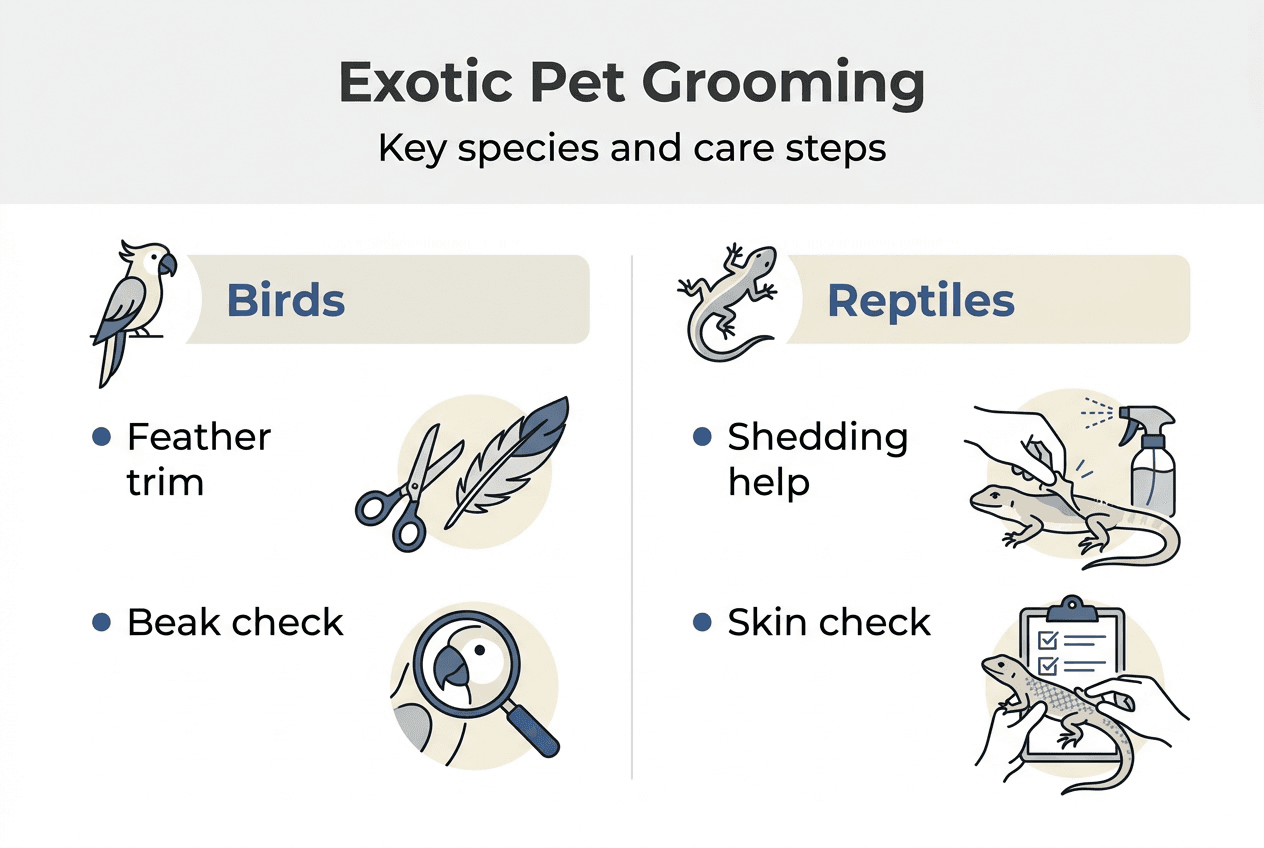
| Species Group | Skin/Fur Care | Nail Trimming | Bathing Method | Stress Management |
|---|---|---|---|---|
| Birds | Feather inspection, preening support | Beak and claw filing | Misting or shallow dishes | Quiet environment, gradual handling |
| Reptiles | Shedding assistance, scale health | Careful clipping with specialized tools | Humidity control, soaking | Temperature regulation, minimal restraint |
| Small Mammals | Brushing, mat removal | Regular trimming to prevent overgrowth | Species-dependent (some never bathe) | Gentle handling, familiar scents |
Bird grooming focuses on maintaining feather health and managing natural wear on beaks and claws. Feather cleaning involves gentle misting with lukewarm water or providing shallow bathing dishes, allowing birds to groom themselves naturally. Groomers inspect for damaged or broken feathers that may need careful removal to prevent further injury. Beak and claw maintenance requires specialized filing tools rather than clippers, as birds’ hollow bones make them vulnerable to injury from excessive pressure. Some species like cockatiels benefit from dust baths using fine powder that absorbs oils, while tropical parrots prefer water misting. The key is respecting each bird’s natural grooming instincts while providing safe environments for these behaviors.
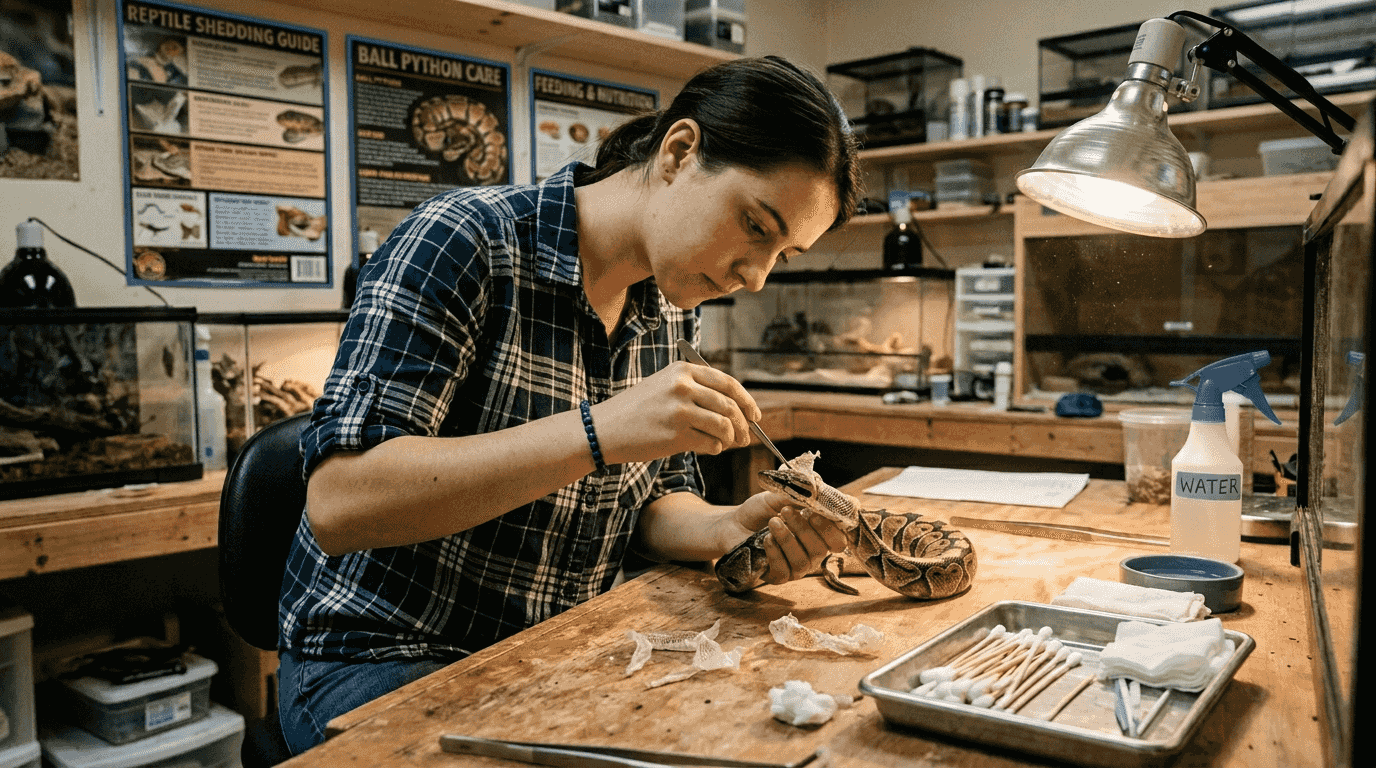
Reptile grooming centers on supporting the shedding process and maintaining skin health. Most reptiles shed their skin periodically, and incomplete shedding can lead to circulation problems or infections. Groomers assist by providing appropriate humidity levels and gentle soaking to loosen stuck skin, particularly around toes and tail tips. Nail clipping for reptiles requires extreme care, as cutting too close to the quick causes bleeding and pain. Professional groomers use specialized reptile nail trimmers and strong lighting to identify the blood vessel location. Habitat hygiene plays a crucial role in reptile grooming, as clean enclosures prevent bacterial growth and skin infections. Unlike mammals, reptiles rarely need traditional bathing, instead requiring environmental moisture control.
Small mammal grooming varies widely by species but generally includes fur brushing, trimming, and dental checks. Long-haired rabbits and guinea pigs need regular brushing to prevent painful mats that pull on skin and restrict movement. Angora rabbits require particularly frequent grooming to manage their continuously growing wool. Nail trimming for small mammals must account for the quick’s visibility and the animal’s tendency to struggle. Dental checks are critical for rodents whose teeth grow throughout their lives, with groomers identifying overgrowth that interferes with eating. Bathing practices differ dramatically: chinchillas must never get wet and require dust baths, while some rabbits can handle spot cleaning. Ferrets may need occasional bathing but over-bathing strips essential oils from their skin.
Pro Tip: Watch for signs of grooming-related stress including rapid breathing, attempts to escape, freezing in place, or aggressive behavior. If your exotic pet shows these signs, pause the session and consult with an experienced groomer about desensitization techniques and gradual acclimation to handling.
How to find and choose grooming services for exotic pets in Dubai
Selecting qualified grooming providers who understand exotic animals’ needs requires careful evaluation of credentials, experience, and service quality. Dubai pet owners benefit from mobile and specialized grooming services tailored to exotic species, offering convenience while maintaining professional standards. The process involves researching providers, verifying their expertise, and ensuring their approach aligns with your pet’s specific requirements.
Criteria to evaluate when choosing exotic pet groomers:
- Species-specific expertise and documented training in exotic animal handling
- Current licensing and certifications from recognized veterinary or grooming associations
- Hygiene standards including sanitized equipment and clean mobile units
- Positive reviews from other exotic pet owners with similar animals
- Emergency protocols and veterinary partnerships for unexpected complications
- Transparent pricing with detailed service descriptions
- Willingness to accommodate special needs or behavioral considerations
Mobile grooming offers significant advantages for exotic pets in Dubai’s climate. Transporting sensitive animals in extreme heat poses health risks, while mobile services bring professional care directly to your home. This approach minimizes stress by allowing pets to remain in familiar surroundings and eliminates exposure to other animals that might carry diseases. Mobile groomers typically maintain well-equipped vans with climate control, ensuring exotic pets stay comfortable throughout the session. The convenience factor matters especially for busy pet owners who struggle to transport carriers or manage multiple exotic pets simultaneously.
Steps to book a grooming session tailored for exotic pets:
- Research groomers specializing in your specific exotic species through online reviews and veterinary recommendations.
- Contact potential groomers to discuss your pet’s species, age, health status, and any behavioral concerns.
- Request information about their exotic pet training, years of experience, and typical grooming protocols.
- Schedule an initial consultation to observe the groomer’s handling techniques and assess your pet’s comfort level.
- Book the first grooming session during a time when you can be present to monitor and provide reassurance.
- Prepare your pet through gradual desensitization to handling in the days leading up to the appointment.
Questions to ask groomers to verify exotic pet experience:
- How many years have you worked specifically with [your pet’s species]?
- What training or certifications do you hold for exotic animal grooming?
- Can you describe your typical grooming process for [your pet’s species]?
- How do you handle stress or aggressive behavior during sessions?
- What emergency procedures do you follow if a pet becomes injured or extremely distressed?
- Do you have references from other clients with similar exotic pets?
- What products and tools do you use, and are they species-appropriate?
Preparing your exotic pet for a grooming appointment improves outcomes and reduces anxiety. Start acclimating your pet to gentle handling several days before the session, touching areas the groomer will need to access like feet, wings, or tail. Use positive reinforcement with treats or favorite foods to create pleasant associations with being handled. Ensure your pet is well-rested and fed according to their normal schedule, as hunger or fatigue increases stress responses. Provide the groomer with detailed information about your pet’s personality, fears, and any previous grooming experiences. For nervous animals, consider using calming pheromone sprays or playing soft music during the appointment to create a soothing environment.
Common challenges and solutions in grooming exotic animals
Grooming exotic pets presents unique difficulties that require specialized knowledge and adaptive techniques to overcome safely. Handling stress and unique anatomical features are key challenges in exotic animal grooming, demanding creative solutions from experienced professionals. Understanding these obstacles helps pet owners set realistic expectations and work collaboratively with groomers to ensure positive outcomes.
Common challenges in exotic pet grooming include:
- Stress and fear responses that can trigger shock, aggression, or self-injury
- Fragile anatomy vulnerable to injury from standard grooming tools or techniques
- Specialized tool requirements that differ from conventional pet grooming equipment
- Disease transmission risks between exotic species or from improper sanitation
- Limited veterinary resources for exotic animals if grooming complications arise
- Behavioral unpredictability in animals with minimal domestication history
- Temperature sensitivity requiring climate-controlled environments during grooming
Stress and fear responses represent the most significant challenge when grooming exotic animals. Unlike domesticated dogs bred for human interaction, many exotic pets retain wild instincts that perceive handling as predatory threat. Birds may enter shock from excessive restraint, reptiles can refuse food for days after stressful encounters, and small mammals might develop ongoing anxiety affecting their overall health. Solutions include gradual socialization where groomers spend initial sessions simply being near the animal without touching, allowing familiarity to build. Calming pheromone products designed for specific species can reduce anxiety when sprayed in the grooming area. Breaking grooming into multiple short sessions rather than one long appointment prevents overwhelming sensitive animals.
Fragile anatomy requires groomers to modify standard techniques significantly. Bird bones are hollow and extraordinarily delicate, making improper restraint potentially fatal. Reptile skin lacks the protective fat layer found in mammals, increasing vulnerability to cuts and abrasions. Small mammal spines can suffer serious injury if the animal is picked up incorrectly. Professional groomers address these challenges by using species-appropriate restraint methods: towel wrapping for birds that provides security without compression, minimal handling for reptiles with support under their entire body length, and scooping rather than lifting for small mammals. Specialized tools include rounded-tip scissors for feather trimming, reptile-specific nail files with fine grits, and soft-bristled brushes designed for delicate fur.
Pro Tip: Regular grooming sessions, even brief ones, significantly reduce stress and improve pet tolerance over time by creating positive associations and familiarizing animals with the handling process, making each subsequent appointment easier for both pet and groomer.
Disease risks and sanitation challenges unique to exotic animals require heightened hygiene protocols. Exotic pets can carry zoonotic diseases transmissible to humans or other animals, making thorough equipment sterilization essential between clients. Reptiles commonly harbor salmonella bacteria requiring groomers to sanitize all surfaces and tools with appropriate disinfectants. Birds produce feather dust that can contaminate equipment and trigger respiratory issues in subsequent clients if not properly cleaned. Mobile grooming services address these concerns by maintaining dedicated tool sets for different species categories and implementing strict cleaning protocols. Groomers should use disposable barriers on grooming surfaces, change gloves between animals, and sanitize mobile van interiors thoroughly. Pet owners can ask about sanitation procedures during initial consultations to ensure providers follow best practices for disease prevention.
Explore expert pet grooming services in Dubai
Finding professional care for your exotic pet becomes effortless when you choose grooming services designed specifically for specialized animals. Faroopets brings expert exotic pet grooming directly to your Dubai home through convenient mobile services staffed by trained professionals who understand the unique needs of birds, small mammals, and other non-traditional pets. Our team uses species-appropriate techniques and sanitized equipment to ensure your companion receives safe, stress-free care in familiar surroundings.
Whether you need bird grooming services for your parrot or comprehensive care packages, our tailored approach prioritizes your pet’s comfort and health. We also offer luxury dog grooming for households with multiple pet types. Explore our online booking system to schedule appointments at times that work for your schedule, with transparent pricing and detailed service descriptions. Experience the peace of mind that comes from entrusting your exotic pet to groomers who combine veterinary knowledge with genuine passion for specialized animal care.
Frequently asked questions
What kind of pets are considered exotic for grooming?
Exotic pets include birds like parrots and finches, reptiles such as bearded dragons and snakes, amphibians, and small mammals like rabbits, guinea pigs, chinchillas, and ferrets. These species require specialized grooming distinct from traditional pets due to their unique anatomical features, behavioral traits, and sensitivity to stress. Any animal not commonly domesticated like dogs or cats typically falls into the exotic category for grooming purposes.
How often should exotic pets be groomed?
Grooming frequency varies widely by species and individual needs. Birds may require weekly feather inspections and monthly nail trimming, while reptiles need shedding assistance every few weeks to months depending on age and species. Small mammals like rabbits benefit from weekly brushing if long-haired, while short-haired varieties need less frequent attention. Consult a professional groomer experienced with your specific pet type to develop a tailored maintenance schedule based on age, health, and lifestyle factors.
Are mobile grooming services safe for exotic animals?
Yes, mobile grooming is safe and often preferable when performed by trained professionals using species-appropriate techniques and equipment. Mobile services reduce stress by grooming pets in familiar home environments, eliminating risky transport in Dubai’s extreme heat. Professional mobile groomers maintain climate-controlled vans with specialized tools and follow strict sanitation protocols. This approach minimizes disease exposure from other animals and allows owners to monitor sessions, ensuring their exotic pet receives gentle, attentive care.
Can any groomer handle exotic pets?
No, exotic pets require groomers with specific training and experience due to their unique needs and sensitivities that differ dramatically from dogs and cats. General pet grooming skills do not translate to exotic animal care, as improper techniques can cause serious injury or fatal stress. Always verify a groomer’s exotic pet credentials, species-specific certifications, and documented experience before booking. Ask for references from clients with similar animals and observe initial handling to ensure the groomer demonstrates appropriate knowledge and gentle techniques.
What are signs my exotic pet needs grooming?
Signs include dirty, matted, or damaged fur or feathers indicating poor self-grooming ability. Overgrown nails or beaks that curve abnormally or interfere with movement and eating require immediate attention. Unusual odors suggest skin infections or inadequate hygiene. Behavioral changes like excessive scratching, reduced activity, or irritability often indicate discomfort from grooming-related issues. Visible skin problems including flaking, redness, or incomplete shedding in reptiles signal the need for professional care. Regular observation of your exotic pet helps catch these signs early, maintaining optimal health and comfort.
